Physical Activity and Exercise


Topics …
- 3.1 Physical activity – why it is so important
- 3.2 Types of exercising and the benefit of each
- 3.3 Exercising boosts your metabolism
- 3.4 Exercising builds and multiplies mitochondria
- 3.5 Exercising strengthens your immune system
- 3.6 What is the best type of exercise for you?
- 3.7 Why warming up matters more as we age
- 3.8 Stretching – dynamic and static
- 3.9 Sports technique and injury prevention
- 3.10 Exercise and pain relief
3.1 Physical activity – why it’s so important
It’s largely because of the benefits of exercise for so many aspects of our health, not just physical “fitness”. For example, it contributes significantly to:
- strengthening immunity and reducing chronic inflammation – Immunity.
- improving the production and availability of energy – Mitochondria.
- increasing the number of brain neurons through the release of myokines.
- boosting metabolism and the cardiovascular system – Metabolism.
- protecting and strengthening joints, muscles, bones and nerves.
- reducing the likelihood of injury, chronic pain and even surgery.
The key is to exercise regularly.
How much you do, and what you do, will depend upon your age and your current level of fitness including your strength, flexibility and aerobic capacity. If you’re new to exercise, or decide to change what you do, have a look at section 3.6 below – What is the best type of exercise for you – and the guidelines that apply to your particular age group – 20s; 30s; 40s; 50s; 60s; 70s; 80s and 90s. You also may want to give some thought to consulting an exercise professional who is not wedded to a particular type of exercise and who can provide objective advice.

How does exercise make you feel better?

It has a direct effect because exercise causes the release of endorphins, natural pain killers that trigger feelings of pleasure and reduce discomfort. And, if you work hard enough, you will experience the “runner’s high”, a euphoric state often experienced after sustained aerobic activity.
Exercise also has an indirect effect on how well you feel by improving your health, strength, stamina, etc.
At a deeper level, physical activity boosts serotonin, which is important for regulating mood, sleep and emotional stability. Together, endorphins and serotonin will lift mood, sharpen focus and reduce anxiety, often with effects comparable to anti-depressant medications. Further reading: How exercise affects mood and well-being
3.2 Types of exercising and the benefits of each
| Type of exercise | Examples | What it helps prevent | Positive benefits |
|---|---|---|---|
| Aerobic exercise | Swimming; walking; cycling; running | Cardiovascular disease, type 2 diabetes, stroke | Improves heart and lung function, boosts endurance |
| Balance & coordination | Tai chi, single-leg stands, heel-to-toe walking | Falls, ankle sprains, proprioceptive decline | Enhances proprioception, reaction time |
| Core Strengthening | Planks, bridges, abdominal curls, Pilates | Lower back pain, poor posture, spinal instability | Supports spinal alignment, improves stability |
| High intensity exercise | Walking, running or cycling uphill, rowing, stairclimbing, gym work (interval training) | Cardiovascular decline, weight gain, metabolic slowdown, insulin resistance | Cardiovascular fitness, boosts metabolism and mitochondria, weight management |
| Hip & hamstring stretching | Lunges, yoga poses, dynamic stretches | Sciatica, hip tightness, lower back strain | Increases flexibility, reduces injury risk |
| Other stretching | Neck rolls, shoulder stretches, spinal elongation, full-body flexibility routines | Muscle, tendon and ligament strains and tears, joint stiffness, postural tension | Improves range of motion, flexibility, supports relaxation, enhances comfort in daily movement |
| Resistance and strength exercises | Squats, push-ups, weight lifting, resistance bands | Muscle loss, joint instability, osteoporosis, metabolic decline | Builds strength, supports bone density and joints, boosts metabolism. See also Pain relief in 3.9 below |
| Shoulder mobility | Arm circles, wall slides, band pull-aparts, yoga | Rotator cuff injuries, neck tension, poor posture | Improves range of motion, reduces tension |
| Weight-bearing impact | Walking, jogging, dancing | Osteoporosis, bone density loss, balance issues | Strengthens bones, improves balance and coordination |
3.3 Exercising boosts your metabolism

Metabolism is the entire process that converts food into usable energy that is needed for your body and brain to function effectively. It also helps to maintain stable blood sugar levels, manage cholesterol and control inflammation. Mitochondria (section 3.4 below) is just one step in the metabolic process.
All physical activity is good for your metabolism although weight-bearing exercise and high intensity exercise will have an ongoing effect for up to 48 hours whereas the effect on your metabolism of other forms of exercise does not last as long.
Metabolism and weight management
Boosting metabolism can help weight management because a higher metabolic rate means your body burns more energy, even at rest. This can make it easier to maintain a healthy weight or reduce excess body fat, especially when regular physical activity is combined with balanced nutrition. However, metabolism is just one piece of the puzzle. Hormones, sleep and stress also play major roles in weight management.

Personal story – exercise boosts your metabolism:
GU, a 62-year-old engineer from Adelaide, had always considered himself “average” in health. He wasn’t over-weight, but he constantly felt tired, had trouble concentrating and wasn’t losing weight despite his efforts to do so. His doctor found that his resting metabolic rate was unusually low for his age and body type; his blood sugar was creeping toward pre-diabetic levels; and his triglycerides (fatty molecules) were elevated. The doctor explained that his metabolism had likely slowed due to years of sedentary habits and loss of muscle mass.
He was advised to begin an exercise program comprising resistance training to build muscle mass; brisk walking to improve cardiovascular health and mobility drills to reduce stiffness and improve circulation. After six weeks, there were some significant changes – his energy lifted; his digestion improved and blood tests showed an improvement in his resting metabolic rate and a decrease in triglycerides. Importantly, he felt motivated. This story illustrates that metabolism responds to exercise and nutrients, so “having a slow metabolism” is not a valid excuse.
3.4 Exercising builds and multiplies your mitochondria
Resistance / weight-bearing exercise
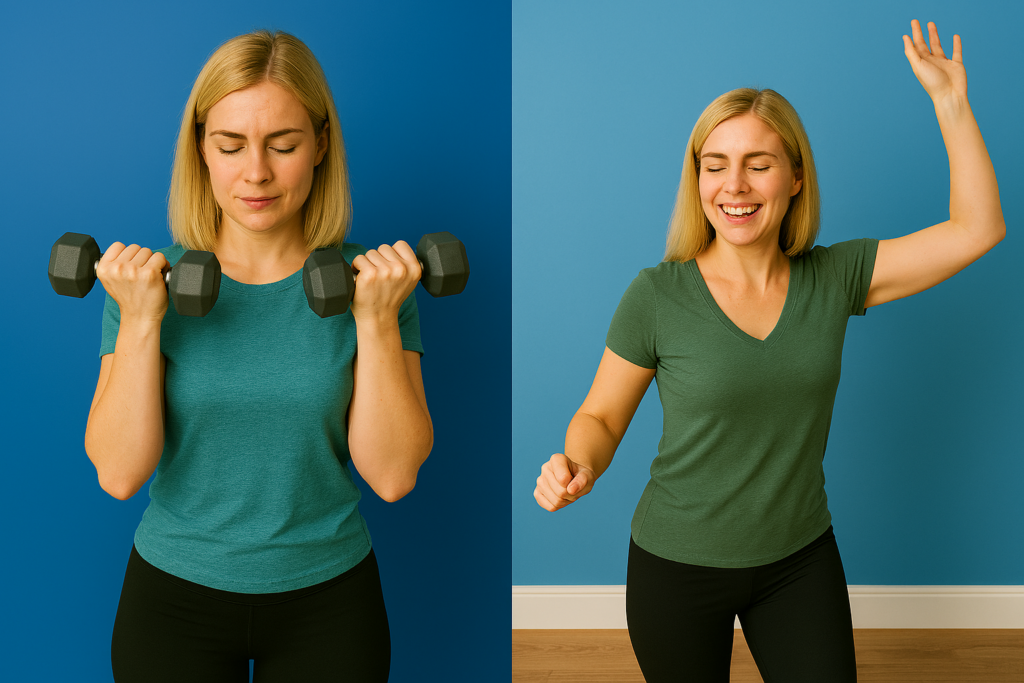
Mitochondria are those little ‘batteries’ that are responsible for converting nutrients into energy. Weight-bearing exercise tends to strengthen existing mitochondria, improving their efficiency and resilience. Stronger mitochondria are also better at handling stress like inflammation and oxidative damage. This means your cells recover faster and age more slowly.
Stronger mitochondria are more efficient at producing energy and are better at handling stress, inflammation and oxidative damage. This means your cells recover faster and age more slowly.
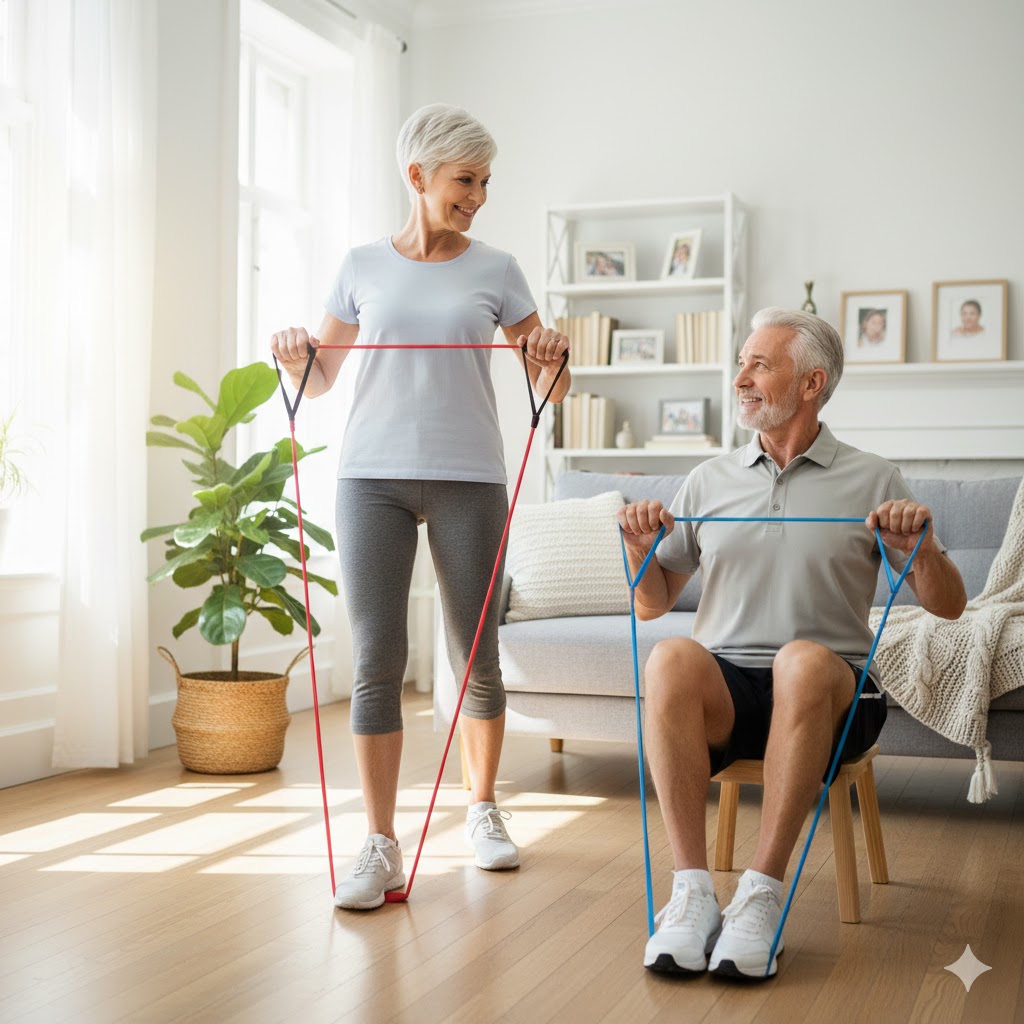
Don’t let the expression “weight-bearing” put you off – it doesn’t mean pumping iron. Resistance bands are good and easy to use at home or when travelling.
However, any exercise that involves supporting your weight including walking, running, dancing, and most sports, will strengthen your mitochondria. Further reading: How exercise boosts your mitochondria.
High-intensity exercise
High-intensity exercise tends to increase the number of mitochondria, and more mitochondria means more energy.
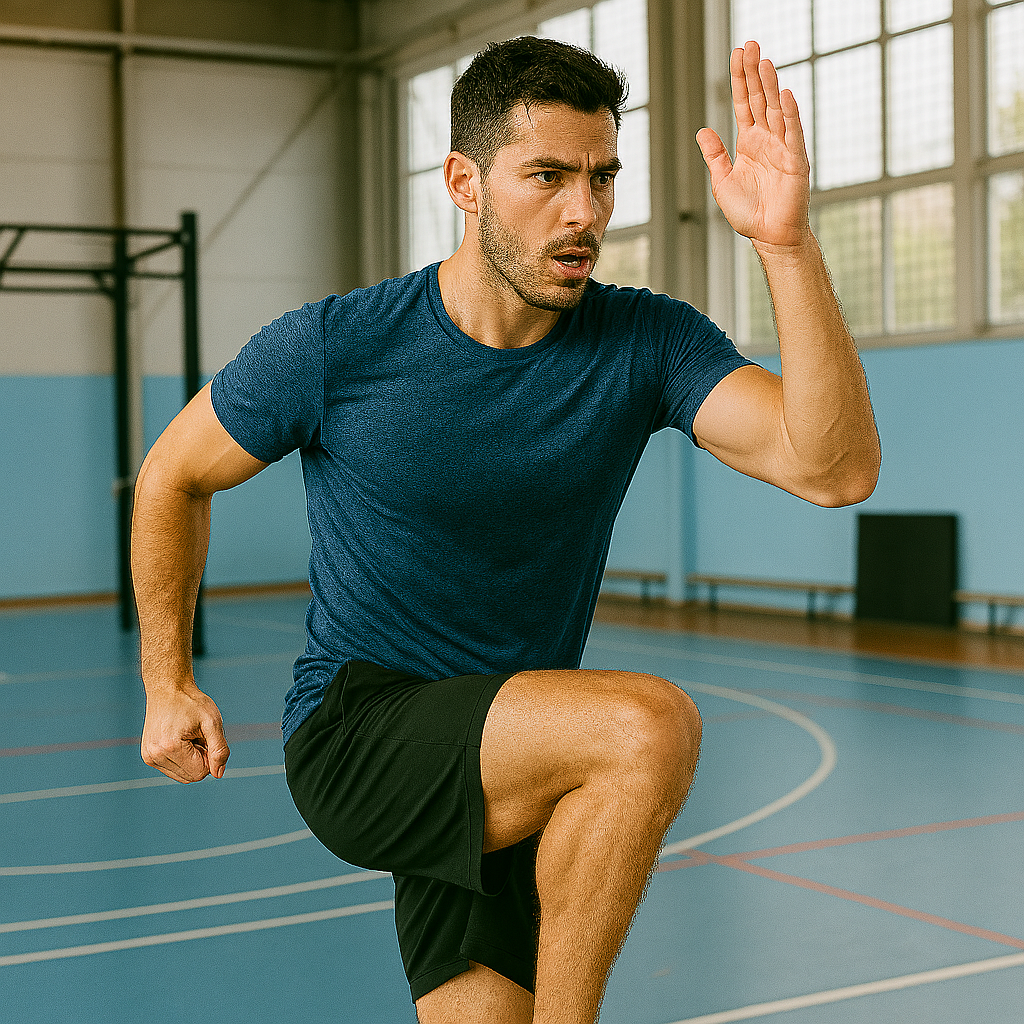
This requires short bursts of effort – that push your body much more than normal exercise – followed by brief rest. For example, 30 seconds of high-intensity (cycling, brisk walking uphill, rowing, running etc) followed by 30 seconds at a lower rate. You must end up breathing hard and feeling your heart rate rise quickly. If you can hold a conversation during the effort, it’s probably not regarded as high-intensity. Further reading: High intensity exercise boosts your metabolism.
Recent research shows that only 19 minutes of vigorous exercise per week is enough to reduce your risk of heart disease by 40%. One 7-year study showed that three 1-2 minute bursts per day resulted in a 50% lower risk of cardiovascular disease and a 40% lower risk of death by cancer. Further reading: The benefits of short bursts of exercise.
Personal story – benefits of high intensity exercise:
BT, a 47-year-old tradesman from Newcastle, had spent years battling low energy, poor sleep and increasing weight. After a health scare involving borderline diabetes, he was introduced to high-intensity interval training (HIIT) and joined a local martial arts gym that combined cardio bursts with strength drills. The first few weeks were tough but by the end of the second month, his resting heart rate had dropped, his sleep had improved and his waistline had shrunk, and his mood had lifted. He described the training as “a reset button” for his body and mind.
3.5 Exercising boosts your immune system
One of the most powerful ways to support your immune system is also one of the simplest – physical activity. It doesn’t just strengthen muscles and joints, it improves your circulation and helps your immune cells travel more efficiently through your body, improving their ability to detect and respond to threats.
Even a short walk can give your immune system a helpful boost that lasts for hours.
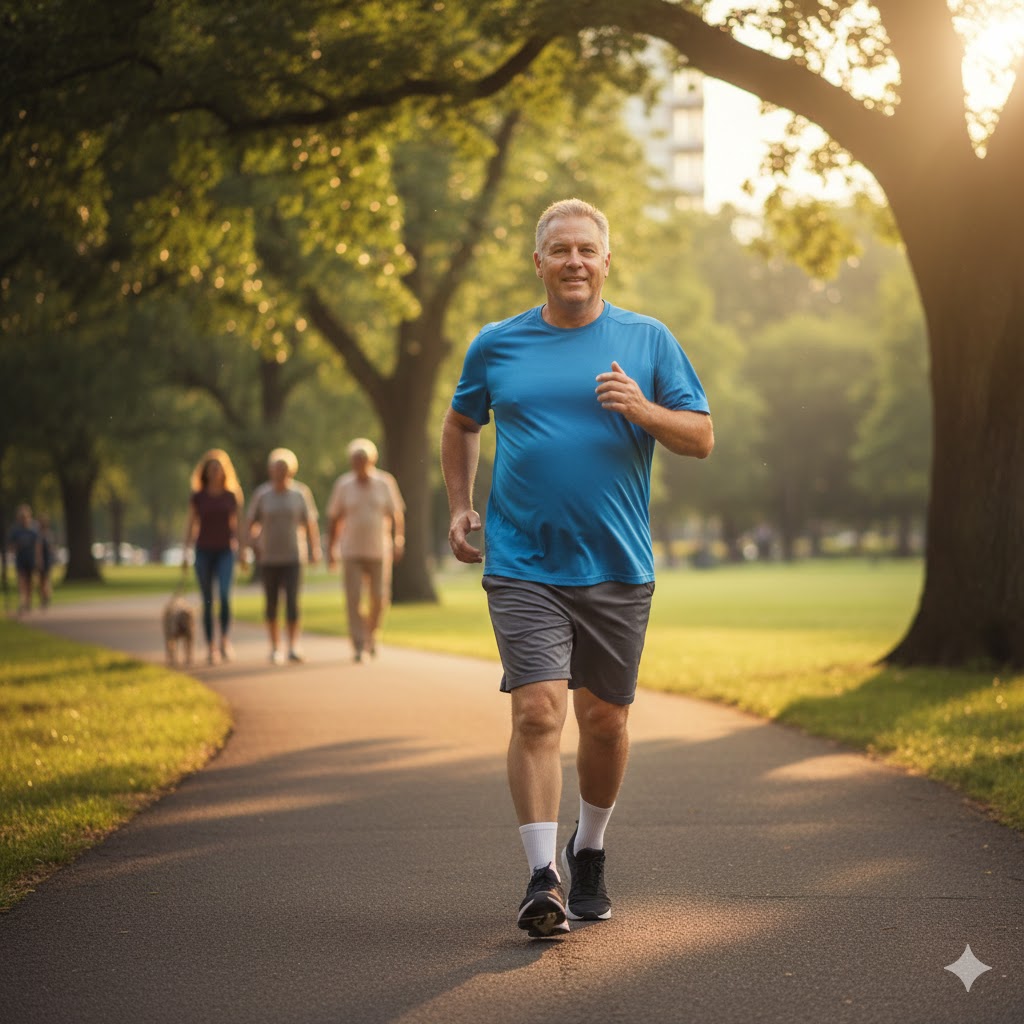
Regular physical activity also helps manage low-level inflammation that can quietly undermine your health. It also indirectly benefits your immune system because exercise improves sleep, reduces stress, supports metabolism and your mitochondria, and boosts energy – all of which are beneficial for your health.
The best exercise for your immune system is the kind you can keep doing – brisk walking, cycling, swimming, gentle jogging, strengthening, yoga, etc. You don’t need to push to extremes.
3.6 What is the best type of exercise for you?
Aerobic exercise
In addition to the benefits referred to in the table above (section 3.2), aerobic exercise is important for managing blood pressure, cholesterol levels, insulin sensitivity, long-term brain health and whole-body health.
Activities done at a good pace, such as swimming, cycling, walking, running, rowing and exercise circuits, have aerobic benefits. For example, walking briskly provides greater cardiovascular benefits than walking normally – think of walking as if you’re late for a meeting, or a bus. It should be enough to raise your heart rate and induce light breathlessness while still being able to talk. Slow walking does not elevate the heart rate and therefore does not stimulate the same level of cardiovascular gains.

To determine whether you are walking fast enough to derive the extra cardiovascular benefits, walk briskly for 10 minutes, count your pulse to work out your BPM (heart beats per minute) and compare it to the Target Heart Rate for your age group – 20s; 30s; 40s; 50s; 60s; 70s; 80s and 90s..
Despite what was said above about walking briskly, some cardiovascular benefits are still derived from normal walking for people who have previously been inactive. Even walking for 5 minutes per day is helpful, although the benefits are not nearly as good as continuous walking for at least 10-15 minutes.
Exercise classes
Many “exercise classes” are for the young. Some are for the elderly (at community centres etc). Some are “one size fits all” with a lot of participants which makes it difficult, or impossible, for the instructor to keep an eye on everyone in the class to check that each person is doing the exercises using the proper technique, which is important to derive maximum benefit and to avoid harm.
For people who have moved beyond ‘fast and furious’ exercise classes, there are various alternatives. For some, Pilates offers a middle ground – focusing on core strength, alignment and controlled movement. Other people turn to yoga, tai chi or functional fitness classes, although not all these “middle ground” classes include aerobic exercise.
Personal story – proper technique and supervision:
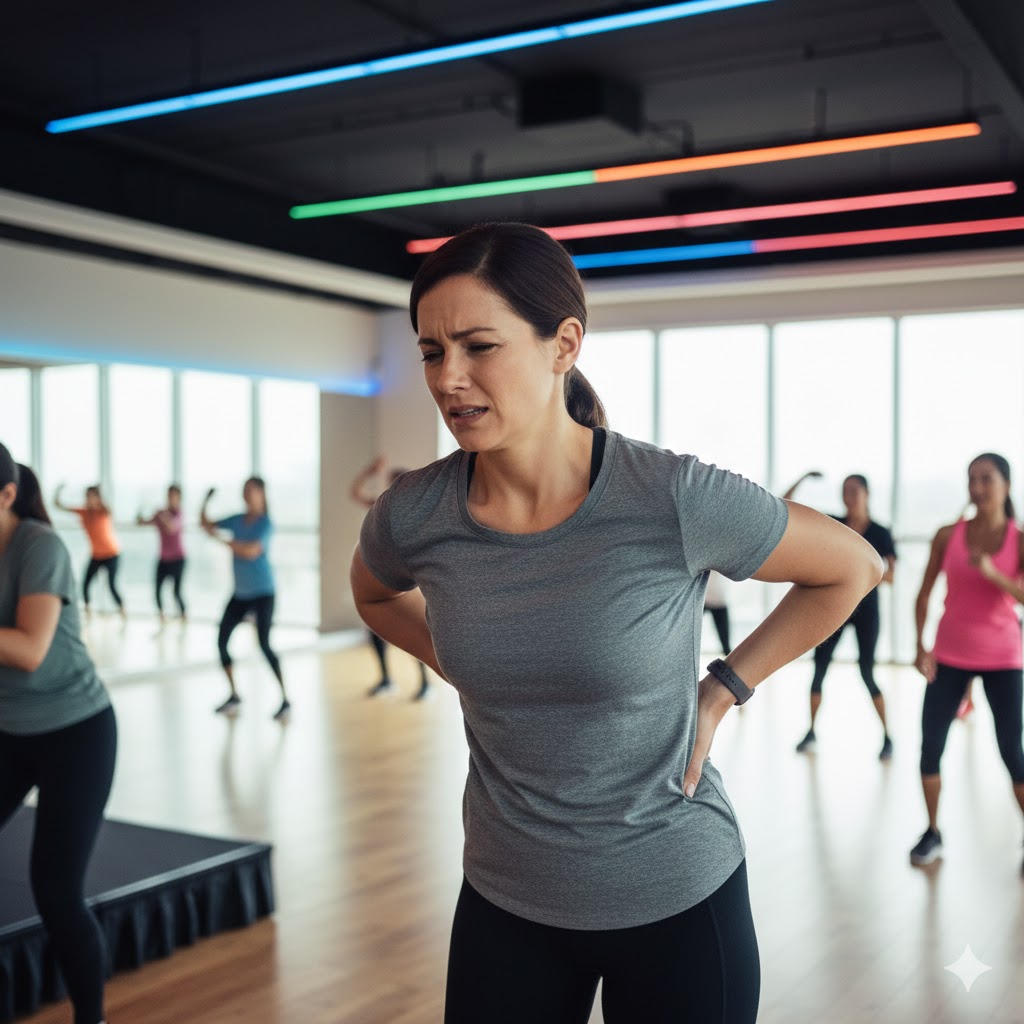
ML, a 39-year-old graphic designer from Melbourne, joined an aerobic exercise class with 25 other participants. This was a new form of exercise for her and she struggled to follow the rapid transitions. During a deep lunge twist, she felt a sharp pull in her lower back. The next morning, she could barely stand upright. A physio later diagnosed a strained lumbar ligament, likely caused by poor form – the instructor was too busy to watch everyone’s technique.
ML recovered after three weeks of rest and targeted rehabilitation, but she now only does classes with smaller numbers.
Functional fitness
“Functional fitness” classes should focus on movements that mimic everyday activities, although not all do. Proper functional exercises are designed to stretch and strengthen the type of muscles we use every day, thereby improving mobility, joint health, posture and energy levels, which is especially important for those in midlife and beyond.
This type of exercise helps with injury prevention, ageing and overall physical resilience. Some go deeper and include the type of movements that shaped the human body over many millennia during our time as hunter-gatherers – reaching to forage, bending, twisting, balancing on uneven terrain, lifting natural loads, squatting to rest, etc.
Strengthening
Muscle loss starts from the early 30s and speeds up after you reach 60. It not only reduces muscle mass but can also adversely affect balance, stamina and, eventually, independence – which is why strengthening exercises are important for your quality of life. Severe muscle loss, or sarcopenia, isn’t a natural part of aging. It’s often the result of lack of physical activity or another health problem. The condition affects as much as 13% of people from 60 to 70, and 50% above 80.
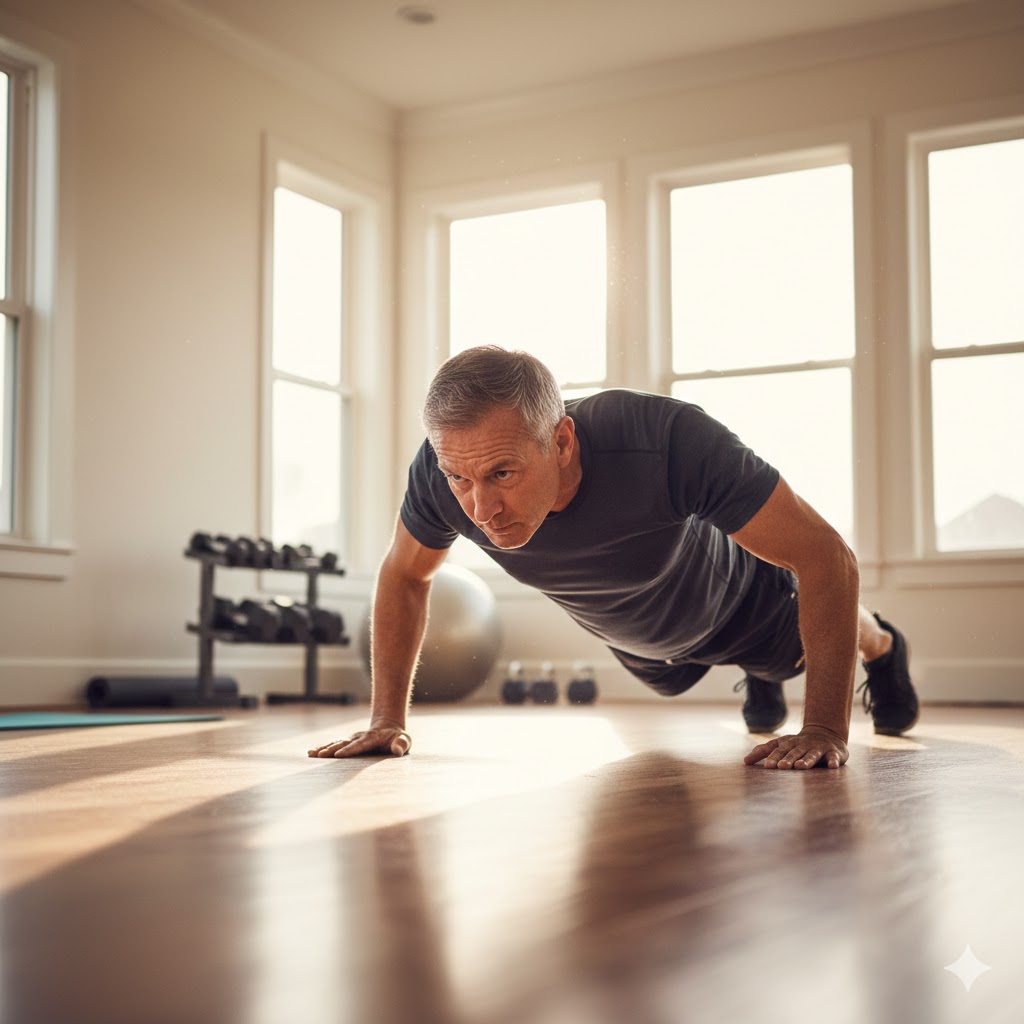
Muscle mass is a predictor of longevity, mobility (by enhancing balance and coordination) and cognitive resilience. It also stimulates mitochondrial biogenesis – the process by which new mitochondria are formed – boosting energy production and resilience. This leads to improved endurance, better glucose metabolism and reduced inflammation.
Bone density is another issue – strengthening exercises will offset the loss of density which is even more important if osteoporosis becomes a problem.
“Strengthening” doesn’t mean you need to lift heavy weights. Studies indicate that lifting lighter weights for 20 to 30 repetitions (until getting towards the point of muscle exhaustion) can be just as effective as lifting heavy weights with less repetitions which, incidentally, is more likely to cause muscle damage particularly for people over 50. Resistance bands, body weight exercises (planks, push-ups, lunges) and isometric exercises are all good for strengthening as we age.
The bottom line is that strengthening is necessary for good health. The most important part is how regularly you do it rather than how much weight you lift.
Stretching
See section 3.8 below.
3.7 Why warming up matters more as we age
When we are young and playing team sports, our coaches invariably get us to warm up before starting the game – dynamic stretching, jogging and mobility drills. But, as we age and move to more individual sports like tennis, golf, surfing, skiing, etc, we seem to forget about the importance of warming up and stretching.

When we go for a run, or cycle, or swim, we invariably start off slowly. But this is not enough – our tendons, muscles and ligaments become less elastic over time and more prone to injuries, which is why warming up becomes more and more important.
Part of the problem is that we become complacent because we get away without warming up for a long time – until we don’t!
A proper warmup doesn’t need to be extensive. Just 5-10 minutes of light movement – walking, arm circles, squats, etc. Some gentle stretching after your warmup – not before – helps maintain flexibility and reduce strain. Doing this can make a significant difference in preventing injury and preserving mobility. If you don’t, at some stage you will pay the price. Further reading: The benefits of warming up.
3.8 Stretching
The importance and benefits of stretching are underrated:
- improves flexibility and range of motion
- improves muscle function and joint stability
- reduces stiffness and improves posture
- enhances circulation and helps recovery after physical activity
- offsets the detrimental effects of sitting for too long
- eases tension caused by stress
- reduces the likelihood of muscular injury
- preserves balance and coordination
It’s important to make stretching a lifelong practice that continues into old age. For example, tight (unstretched) muscles restrict movement and limit the flexibility and range of motion of joints. This makes balance and coordination more difficult and increases the chances of falls and injuries. Sitting for long periods shortens muscles like the hamstrings and hip flexors, which impairs walking and balance. Regular stretching helps reverse this effect.
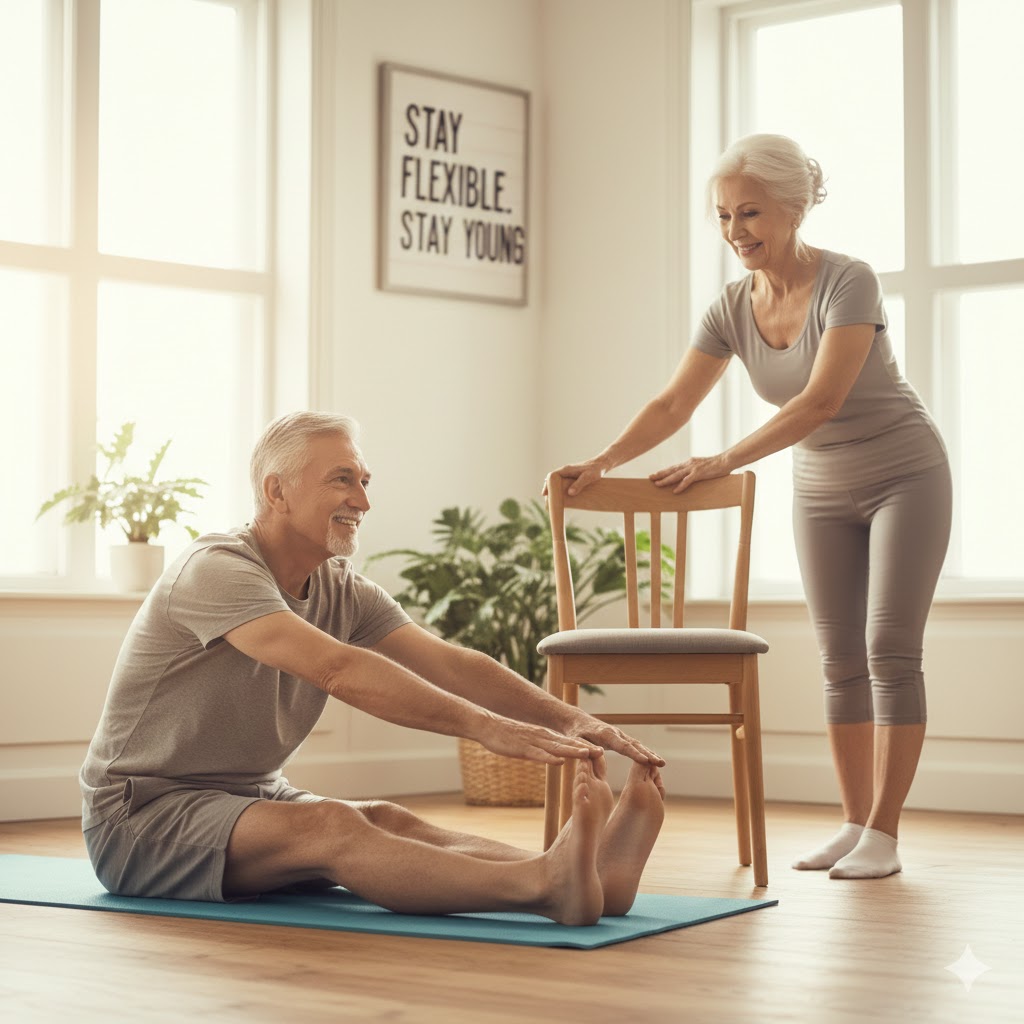
There are 2 types of stretching – dynamic and static. Dynamic stretches (e.g. leg swings; arm, neck and ankle circles; lunges; torso twists) should be used to warm up muscles before exercise or sport. Static stretches (e.g., hamstring; quads; calves; shoulder; neck) are best after you have warmed up and just after exercise/sport.
The particular type of stretching you do, and muscles you stretch, should be based on the type of activities and sports that you are involved in so it’s a good idea to go online and look for warmup and stretching exercises for your chosen sport or activity.
In general, it is good to focus on stretching the calves, hamstrings, hip flexors, quadriceps, shoulders, and lower back – these are key for mobility and balance. The general rule for static stretches is to work on each muscle group for 60 seconds. This can be done in 4 sets of 15 seconds each; 3 sets of 20 seconds or 2 sets of 30 seconds.
Personal story – back pain:
AL, a 58-year-old school librarian from Hobart, had lived with persistent upper back pain for nearly a decade. She’d tried everything, including chiropractic adjustments and even acupuncture, but nothing offered lasting relief. At a wellness conference, she met a sports trainer who suggested that her pain might stem not from her back itself, but from tightness in her chest and shoulders.
She began a gentle stretching routine focused on opening her chest and lengthening her shoulders. Within two weeks, she noticed a marked reduction in pain. Over time, her posture improved, her breathing deepened and she could work longer hours without discomfort. This illustrates that stretching doesn’t just target the area of pain – it can relieve tension that’s causing or contributing to the pain. Further reading: The benefits of stretching
3.9 Sports and injury prevention
The importance of proper technique and instruction
A study published in the Journal of Sports Science & Medicine found that poor technique is a key contributor to sprains, strains and tears. Often the injuries can be serious enough to require hospitalisation and the sports that require repetitive motion and precise biomechanics are the ones that result in the most hospitalisations.
It doesn’t matter whether it is an individual or team sport, many people either skip formal instruction or don’t continue it long enough to learn the proper technique. If you don’t do it the correct way, extra strain will be placed on muscles, tendons and joints.
People can get away with this for quite some time, and may even become quite good, but normally the correct technique not only results in better performance, but it is a safer alternative. Inadequate form certainly increases the risk of injury and, eventually, it is likely to result in overuse injuries such as tennis elbow, golfer’s elbow, rotator cuff issues, and lower back pain.
Personal story – the danger of teaching yourself:
RC, a 65-year-old company director from Sydney, decided to play golf more regularly so he started watching golf instruction videos on YouTube. He ‘felt’ as though he was doing it correctly but, as he subsequently found out, when it comes to sports technique: “feel is not real”. As a result, the damage he did to his shoulder over a period of time means that he has now needs to have a shoulder replacement. The lesson is that teaching yourself may be satisfying, and saves money in instruction, but the price you pay can be significant.
3.10 Exercise and pain relief
Pain can sometimes be caused by your nervous system perceiving an area of instability in your body as a threat. It responds by creating protective tension with muscles and ligaments tightening or behaving abnormally to guard the weakness.
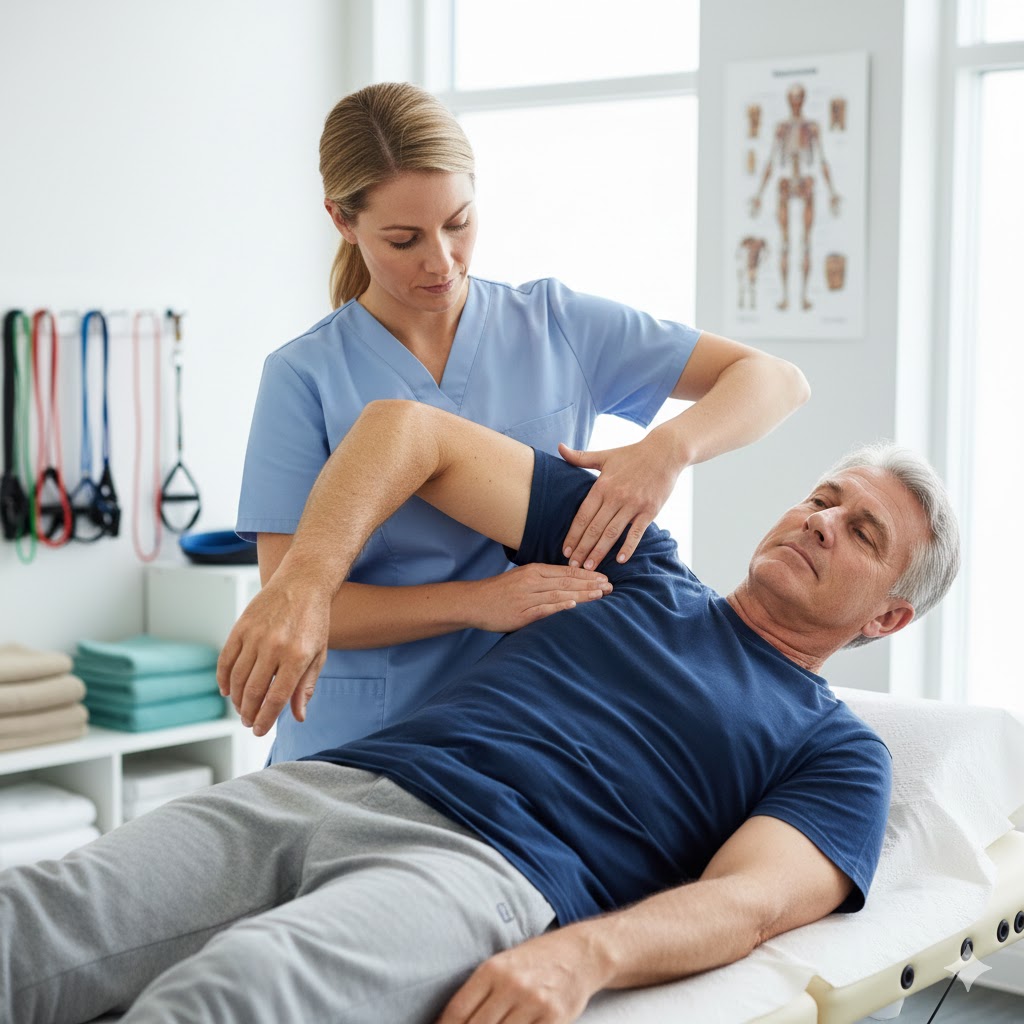
Ironically, this “protection” can limit movement and either cause or aggravate pain. If this is the problem, the first step is to get a physiotherapist to release or reset the effect of the protective response to restore normal muscle and joint mechanics. The next step is stretching and strength training – to build muscular support around joints and enhance stability. This reduces the strain on ligaments and tendons and redistributes the load more evenly allowing safer movement.
The brain then recognises that this is safe and so the nervous system no longer sees the problem as a threat and the pain will lift. Studies show that strength training can also reduce inflammation, improve blood flow and trigger endorphin release – further contributing to pain relief and functional recovery. It also has a role in managing chronic pain. Further reading: Strength training and pain