No early warning signs



Topics …
- 8.1 Silent but serious conditions
- 8.2 Conditions that require testing
- 8.3 Hidden Heart Disease
- 8.4 Hidden hypertension
- 8.5 Stroke
- 8.6 Arthritis
8.1 Silent but serious conditions
The cape buffalo is regarded by many as the most dangerous animal in Africa. More feared than lions and leopards.
Why? It doesn’t give any warning – no mock charge or any sign that it is about to attack. Some of the most dangerous health conditions are the same – the ones without any early warning signs to ring alarm bells, such as:

Cancer: Many types of cancer develop silently, with no symptoms until the cancer has progressed, sometimes so far that it has become incurable. This makes proactive screening essential. Some have some early “clues” – see section 8.2 below – including skin cancer, but you need to know what to look for.
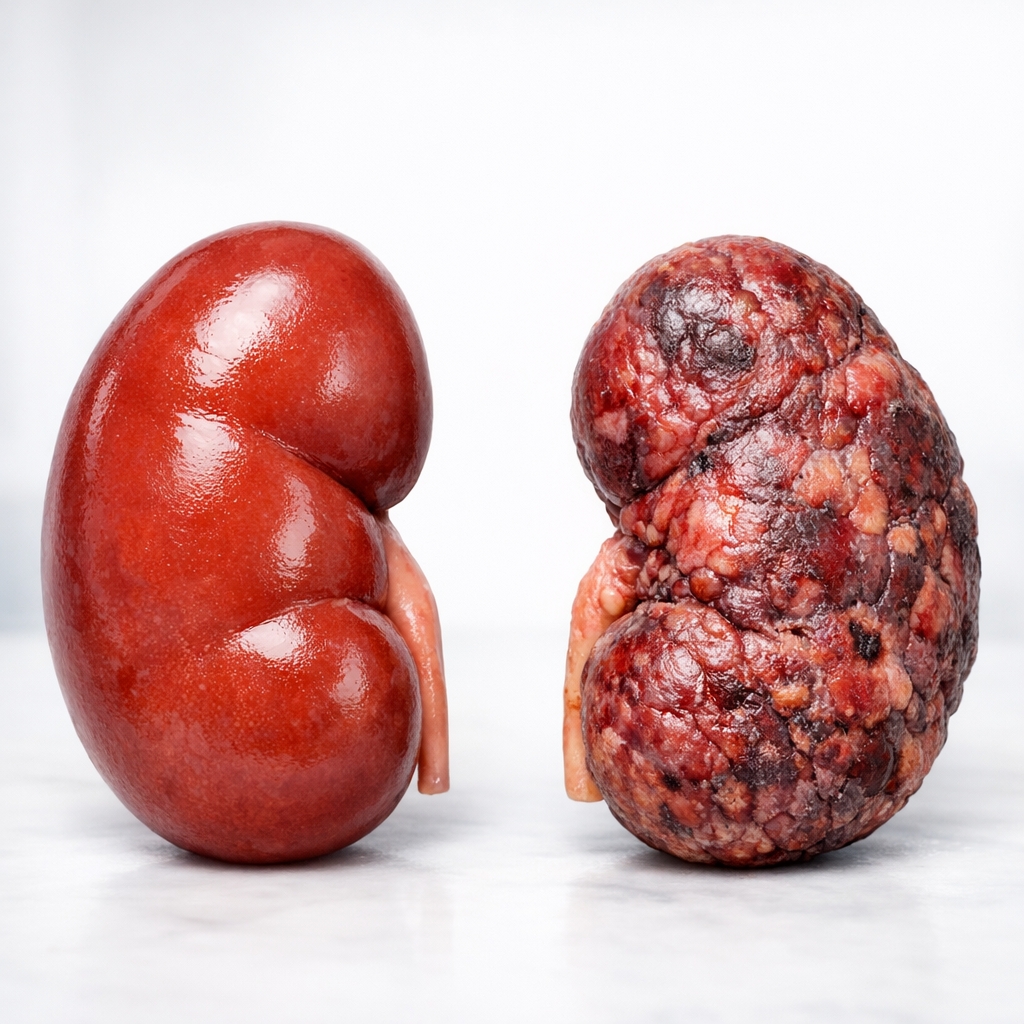
Chronic kidney disease
Kidney decline often goes unnoticed until advanced stages. It can be caused by long-term use of medications (including anti-inflammatories), cardiovascular disease, high blood pressure and diabetes. Although there is no specific early warning sign for kidney disease, some of the causes have early warning signs or can be identified by regular checkups, such as blood and urine testing.
Cognitive decline: This affects 1 in 10 people over 65. Unfortunately, the symptoms are often looked upon as “just ageing”. See Cognitive Decline in section 4.7.
Glaucoma: This eye condition damages the optic nerve and can lead to blindness. It often has no symptoms until people start to lose their eyesight. Regular eye exams are crucial. The guidelines issued by Glaucoma Australia recommend that everyone over 50 should have a comprehensive eye exam every two years. If you have a family history of glaucoma or you are of Asian or African descent, two-year screening should start from age 40.
Heart disease: There are some early warning signs for heart disease – see sections 8.2 and 8.3 below – but it can also develop without any symptoms, which is why blood pressure and plaque (cholesterol and calcium score) testing are important, especially for people with high risk factors such as a family history of heart disease. The onset can be delayed by lifestyle changes – diet, exercise and weight management.
Hypertension or high blood pressure: Often called the “silent killer,” high blood pressure increases the risk of heart attacks, strokes and cognitive decline but often has no symptoms until a problem occurs. It can affect up to 1 in 3 adults. Monitoring blood pressure is essential. See section 8.3 – Heart Disease.
Osteoporosis: The first sign is often a fracture and affects up to 2.2 million Australians. Bone density scans can reveal risk before fractures occur.
8.2 Conditions that require screening for detection
There are many health conditions – not just the serious ones listed in 8.1 above – that require testing to be detected or confirmed. This is partly because some signs/symptoms can be indeterminate and partly because there are often different health problems associated with the same early warning sign.
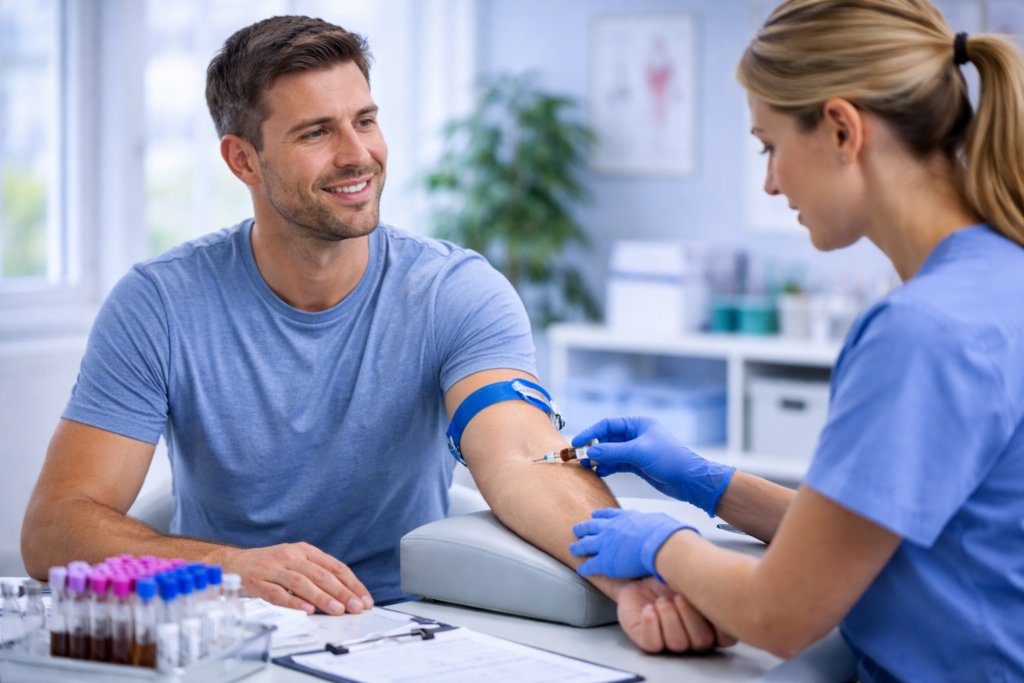
Because of the significant benefits of early detection – simpler treatment, fewer complications and better long-term prospects – it is important that some tests are conducted on a regular basis whether or not there are any symptoms, especially for people who have elevated risk factors – family history, lifestyle, over-weight, etc.
The table below includes information about the age groups where testing is recommended. Alternatively, have a look at the recommendations for your particular age group: 20s; 30s; 40s; 50s; 60s; 70s; 80s and 90s.
| Condition | Early clues | Testing | When to get tested |
|---|---|---|---|
| Arthritis: see section 8.6 below | Joint stiffness, soreness and swelling, morning pain | Blood tests, clinical evaluation and imaging. | The early clues are often overlooked as part of getting older and/or overdoing it; they can appear at different ages but generally after age 40 |
| Bowel cancer | Blood in stool, changes in bowel habits | Free faecal occult blood test (FOBT) posted out from age 50; colonoscopy | Age 50-74; talk to GP if symptoms occur earlier |
| Breast Cancer | Lump, skin changes, nipple discharge | Free mammograms from age 50; ultrasound | Age 50-74: earlier if family history or symptoms; free every 2 years. |
| Cancer | Often no early warning sign | See specific type | See specific cancers for details |
| Cervical cancer | Often silent; may cause bleeding or discharge | HPV test or Pap smear free every 5 years from age 25 | Age 25–74: every 5 years unless advised otherwise |
| Cholesterol | Generally, no symptoms until cholesterol causes blocked arteries | An annual blood test, covered by Medicare, will show levels of LDL (bad cholesterol) and HDL (good cholesterol) | Testing recommended from age 45 (or earlier if family history or risk factors) |
| Cognitive decline | Subtle memory lapses, difficulty concentrating, changes in speech or judgment | Cognitive screening tools (e.g., MMSE, MoCA); GP or specialist referral | Consider screening from age 65+, or earlier if symptoms emerge. Early detection advisable |
| Depression / anxiety | Sleep issues, low mood, irritability, withdrawal | GP assessment; mental health plans subsidised | No age limit; talk to GP early; access therapy or support services |
| Diabetes (Type 2) | Increased thirst, frequent urination, fatigue | Blood glucose or HbA1c test often bulk billed | Age 40+ or earlier if overweight/family history; maintain healthy weight and diet |
| Glaucoma | No early stage symptoms; elevated eye pressure detectable via screening | Optometrist or ophthalmologist exam; some tests free of charge | Regular screening is key; treatment (e.g., eye drops, laser) can prevent vision loss. Routine eye checks recommended from age 40, especially with family history |
| Hearing loss | Difficulty following conversations, turning up volume | Hearing tests free of charge | Over 65: recommended screening; earlier if symptoms noticed |
| Heart disease (see section 8.3 below) | Often none but sometimes short- ness of breath with little exertion can be an indication | Blood pressure checks, ECG, cholesterol tests, stress tests. Some free of charge | Early intervention important. Start cardiovascular risk screening from age 45 (or 30+ for Aboriginal and Torres Strait Islander peoples). |
| High blood pressure – hypertension | Often silent; may cause headaches or dizziness | Blood pressure needs testing. Also see section 8.3 below. | Age 40+: annual checks recommended; monitor regularly |
| Iron deficiency | Fatigue, pale skin, cold extremities, brittle nails | Blood tests often bulk billed (ferritin, haemoglobin, iron) | Treatment and testing recommendations depend on symptoms |
| Kidney disease | Fatigue, swelling, changes in urination | Blood and urine tests often bulk billed | Age 60+ or earlier if diabetic/hypertensive; ask GP for kidney check |
| Leukaemia | Often no or indeterminate symptoms. If fatigue, frequent infections or unusual bleeding is persistent, get a checkup | No routine population screening; a full blood count for those at risk and subsequent genetic testing if abnormalities found | The risk increases over 60 but is present throughout life, especially if there is a family history of leukaemia |
| Liver cancer | May remain undetected until advanced | Ultrasound and a full blood test | If known risk factors like cirrhosis, chronic hepatitis B or C, or unexplained symptoms such as fatigue, abdominal pain, or weight loss |
| Lung disease (COPD) | Chronic cough, breathlessness, wheeze | CT scan / spirometry (lung function test) | Smokers and ex-smokers over 40 and people with symptoms; |
| Lung cancer | A persistent cough, chest pain, shortness of breath, and unexplained weight loss but often no sign | Low-dose CT scan | Smokers and ex-smokers over 55 and people with symptoms |
| Oesophagus or throat cancer | Symptoms (e.g. difficulty swallowing) appear late | Endoscopy for high-risk individuals (e.g. Barrett’s oesophagus) | People with risk factors (chronic reflux; smoking; alcohol) should get checked |
| Osteo-porosis | No early warning sign or clue until a fracture occurs | Bone density scan (DEXA) | Women 50+, men 70+; earlier if risk factors present; ask GP about bone health |
| Ovarian | Vague symptoms (bloating, fatigue); often diagnosed late | Transvaginal ultrasound, CA-125 blood test | People with a family history and genetic syndromes |
| Pancreatic cancer | Obesity increases the risk but symptoms appear late | Imaging (ultrasound and MRI) is currently used for high-risk individuals but is not ideal. A blood test should be available soon | Family history and genetic syndromes (e.g. BRCA2) call for early testing |
| Prostate cancer | Urinary changes, slow stream, back pain | PSA blood test; digital exam | Age 50+, but it can happen from the 30s onwards; If family history or symptoms, get tested |
| Skin cancer | New or changing moles, non-healing sores | Skin check by GP (often bulk billed) or dermatologist | All ages; annual or 6 monthly checks recommended for high-risk individuals; |
| Sleep apnoea | Loud snoring, gasping or choking during sleep, excessive daytime fatigue, headaches | Sleep testing via referral; home-based sleep tests may be available | Consider screening from age 40+, especially with obesity, hypertension, or persistent fatigue. Untreated, it increases risk of heart disease, stroke, and cognitive decline. |
| Stomach (gastric) cancer | Early symptoms often vague or absent | Endoscopy | Family history, H. pylori infection, |
| Stroke | Clues: smoking; overweight; sedentary lifestyle; high blood pressure | A blood test for cholesterol; blood pressure test; possibly a calcium score | Anyone with a family history or with any of the symptoms |
| Thyroid disorders | Fatigue, weight changes, mood swings | Blood test (TSH, T3, T4) often bulk billed | No age limit; test if symptoms or family history present |
| Vision problems | Blurred vision, eye strain, headaches | Eye exam often free | Over 40: check every 2 years; earlier if diabetic or family history |
The table above contains general guidelines. Family history, lifestyle, and personal risk factors may warrant earlier or more frequent testing than indicated.
8.3 Heart disease – the hidden danger
A close friend – see PJ’s personal story below – discovered at lunch with some mates that a person can have blocked arteries even with normal cholesterol levels. And it can kill you. He didn’t know. Nor do most people. Another friend who was 64, fit and healthy (or so it seemed), dropped dead of a heart attack. He didn’t know that anything was wrong. No early warning sign. No symptoms. If he had been proactive in getting tested, and not so busy, he would still be with us.
The risk of getting heart disease
The risk of heart disease begins to accumulate from about age 35 and rises significantly from 45 onwards especially for those with a family history, high blood pressure or other risk factors, such as being overweight, not exercising, etc. After 55 the risk doubles every decade.
Are your arteries starting to clog up?
The problem is often a slow build-up of plaque in the arteries, which is like rust building up on the inside of a metal pipe carrying water. The more it builds up, the more the flow is restricted and the weaker the walls of the pipe become, eventually resulting in a rupture.
A build-up of plaque can be caused by lifestyle factors (lack of exercise, smoking, etc) and genetic factors such as Lipoprotein(a) – not just cholesterol. Lipoprotein(a) is not detected by a normal blood test and is typically present from childhood although significant restriction of the arteries doesn’t occur until middle-age (40s-60s). 1 in 5 people have high levels without being aware of it. For some people, the first sign can be a heart attack, which can be fatal.
Personal story – hidden danger:
PJ is in his mid-70s and is very health conscious. He doesn’t smoke, doesn’t drink excessively, does regular exercise, has normal blood pressure and cholesterol levels. He’s not overweight and has blood tests every six months. A friend suggested getting a calcium score test, so he raised this with his doctor – his score was 284 (see table below). This called for further testing which indicated he had blockages in his arteries. He was hospitalised and three stents were inserted. He was lucky!
A specific blood test will determine whether you have lipoprotein(a) in your blood. It only has to be done once in your lifetime and should be done sooner rather than later, particularly if there is family history or other risk factors.
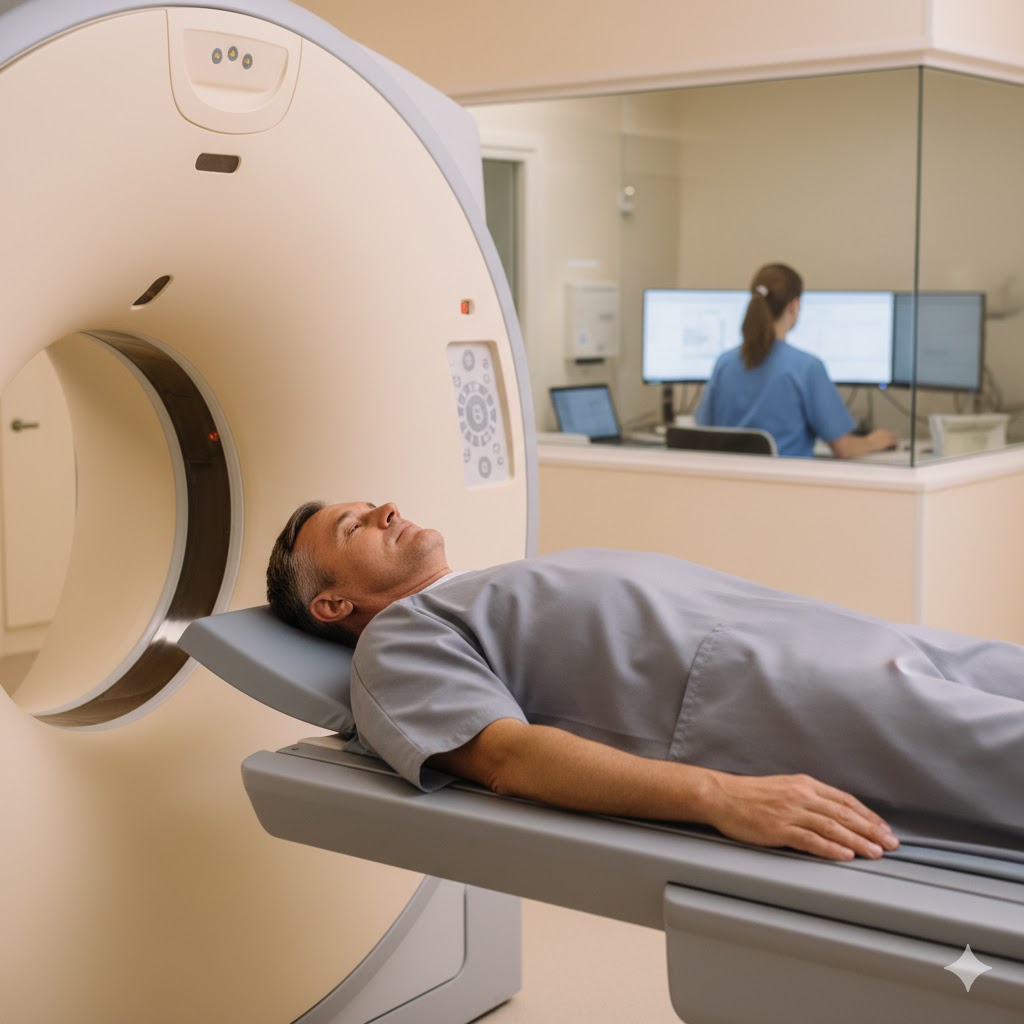
If lipoprotein(a) is found in your blood, it is necessary to have a coronary calcium test (CT scan) to see whether plaque has already built up. Even if you don’t have lipoprotein(a), a calcium score test is still wise if there is any family history of heart disease; stroke; a personal history of cardiovascular events; elevated LDL cholesterol or symptoms such as high blood pressure, chest pain, etc. Or if you just want to be safe.
| Calcium score | Plaque level | Cardiovascular risk | Action called for |
|---|---|---|---|
| 0 | No detectable plaque | Very low | Maintain healthy lifestyle |
| 1–99 | Mild plaque | Low to moderate | Adjust diet (see section 2.9) and exercise; ongoing monitoring required |
| 100–399 | Moderate plaque | Moderate to high | Further testing; statins may be called for |
| 400+ | Extensive plaque | High | Aggressive risk management; cardiology referral |
8.4 Hypertension or high blood pressure
“High blood pressure” is generally regarded as 140/90 or higher. It slowly damages blood vessels and organs and is a leading contributor to heart disease, stroke and kidney failure. It can be caused by genetics, poor diet, lack of exercise, stress, excessive alcohol or too much salt.

Unfortunately, there are often no symptoms so blood pressure should be checked regularly, especially for people who have increased risk factors (family, lifestyle, etc). The risk actually starts in the early 20s and increases significantly after age 45. It is estimated that almost half of people in Australia over 75 have high blood pressure.
Early detection, lifestyle changes and medication can significantly improve long-term prospects. Hypertension survey
How it damages the cardiovascular system
Every ‘hypertensive’ heartbeat provides extra force on the artery walls which injures the inner lining of arteries, making it easier for fatty deposits to build up and narrow the vessels – a process called atherosclerosis. The heart must then work harder to pump blood through these narrowed arteries, causing the heart muscle, especially the left ventricle, to thicken and stiffen, reducing its efficiency. Over time, this leads to reduced oxygen delivery to organs and tissues and increases the risk of serious conditions like coronary artery disease, heart attacks, heart failure and stroke.
8.5 Stroke
Stroke occurs when blood flow to the brain is interrupted, either by a blockage or a bleed. The quicker the person gets professional assistance, the better the outcome so it’s critically important to be able to identify if someone has had a stroke.
Remember the acronym: F.A.S.T. Face (drooping), Arm (weakness), Speech (difficulty), and Time (to call emergency services – FAST!). Other symptoms may include sudden confusion, vision changes, dizziness or severe headache.

Stroke occurs when blood flow to the brain is interrupted, either by a blockage or a bleed. The quicker the person gets professional assistance, the better the outcome so it’s critically important to be able to identify if someone has had a stroke.
Remember the acronym: F.A.S.T. Face (drooping), Arm (weakness), Speech (difficulty), and Time (to call emergency services – FAST!).
Other symptoms may include sudden confusion, vision changes, dizziness or severe headache.
Stroke risk increases with age, and it can begin to rise significantly from age 45, especially in individuals with high blood pressure, atrial fibrillation (an irregular heartbeat), diabetes or high cholesterol. Men are at higher risk across most age groups, though women face unique risks related to pregnancy, oral contraceptives and hormone replacement therapy. The most vulnerable group is 65 and older, with 71% of stroke cases occurring in this bracket. The highest prevalence is seen in men aged 85 and above.
Stroke prevention is possible. In fact, over 80% of strokes are preventable with proactive care. This calls for regular health checks for blood pressure, cholesterol and heart rhythm. Lifestyle changes such as quitting smoking, maintaining a healthy weight, staying active and managing chronic conditions like diabetes can dramatically lower the risk. If atrial fibrillation is present, medical management is crucial to prevent clot formation.
Personal story – stroke:
JD, a 40 year-old father of four, had just returned from a driving lesson with his eldest child when he experienced blurred vision and numbness on his right side. His wife, a registered nurse, immediately recognised the signs of stroke – facial drooping, arm weakness and slurred speech – and arranged urgent hospitalisation. Thanks to her swift action, JD received prompt treatment and recovered without lasting impairments. He now leads a grassroots awareness campaign in Kempsey, one of Australia’s top stroke hotspots, educating First Nations communities about stroke symptoms and the importance of early intervention.
8.6 Arthritis
Despite the fact that arthritis has some early warning signs, they can develop so slowly that they are often overlooked as just being part of normal ageing. There are 2 types – osteoarthritis and rheumatoid arthritis – which differ in cause, symptoms and treatment. Understanding these differences helps guide early detection and effective management.
| Osteoarthritis (OA) | Rheumatoid Arthritis (RA) | |
|---|---|---|
| Cause | Degenerative wear and tear of cartilage | Autoimmune attack on joint linings |
| Typical Onset | Gradual, often age-related or post-injury | Can begin at any age; often between 30–60 |
| Symptoms | Joint pain, stiffness, reduced mobility | Swelling, pain, fatigue, morning stiffness |
| Screening | Physical exam, X-rays | Blood tests (RF, anti-CCP) to monitor inflammation; imaging (MRI, ultrasound) |
| Treatment | Pain relief (NSAIDs or corticosteroid injections, physical therapy, lifestyle changes | Immunomodulating drugs, rheumatologist care if symptoms escalate |
| Lifestyle Focus | Joint protection, weight management, low-impact exercise | Stress reduction, anti-inflammatory diet, pacing activities |