Better health in our 20s


Topics …
- Challenges, building resilience and preventing problems
- Essentials: exercise, diet and other priorities
- Early warning signs
- Target heart rates when exercising
- Health records and important documents
- What to do – today – to improve your health
- Checklist for the 20s and ageing well
- Your proactive health plan
Challenges, building resilience and preventing problems
Our 20s is invariably a busy time, juggling fun (partying, travel, pushing boundaries) and more serious things (such as tertiary education, starting a career, forming new relationships). It is also a time of our life when we enjoy peak health, resulting in many people taking their health for granted.
Challenges
Being busy often comes at the expense of developing proactive health habits that will pay dividends in the future. For example, sleep is often the victim of time pressure, often done intentionally to free up an extra hour or two. But this is counter-productive – not getting 7-9 hours of sleep on a continuing basis means we become less efficient and less productive. Worse still, it can have quite serious adverse consequences for your health (see section 6.1 – Sleep).
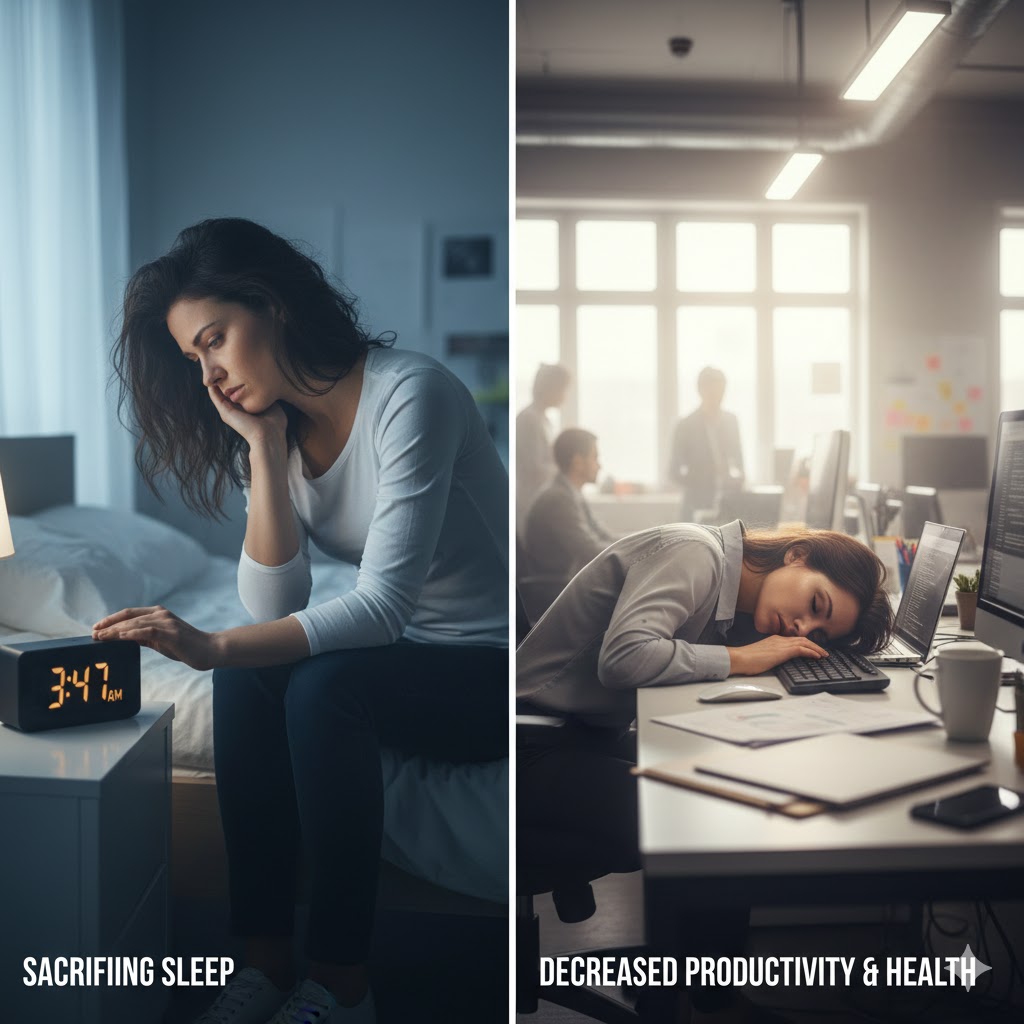
Sleep is not the only victim. Many people eat fast food and miss exercise because they’re too busy. These things are often rationalised by telling themselves: “I am young, so I don’t need to worry about health problems”, not realising that these “shortcuts” not only have long-term consequences but can also cause short-term problems, including compromising your immune system and thereby increasing the risk of health problems in the 20s and 30s.
Future challenges
The end result of not developing good habits in our 20s and 30s is weakness in the foundations that are needed to underpin health for the future. This is like using concrete without enough cement – it will work OK for some time, but it won’t have the same underlying strength or long-term resilience.
On the other hand, developing good habits will keep you healthy and fit for decades.
You don’t want to be one of those people who, in the years to come, have to deal with debilitating diseases including cancer, arthritis, diabetes, etc. These problems can often be traced back to your lifestyle in your 20s and 30s. In addition to potential long-term problems, the wrong lifestyle can affect your health in the short term.

Building resilience and preventing problems

Being proactive, rather than reactive, will prevent many health problems and, for those that can’t be prevented, will enable early detection and the undoubted benefits of early treatment.
It will also help you to sustain a high level of health, and therefore a better quality-of-life, for longer than you would if you remain reactive, particularly if you put extra effort into:
- Physical activity (aerobic and weight bearing)
- Strong social connection and belonging
- Sleep quality and mental health stability
These three factors are strong predictors for people in their 20s of future quality-of-life, but they are not the only ones. There are other factors that are also necessary for good ongoing health, including diet and nutrition; regular check-ups; good quality sleep; and so on. A list of these is summarised in the Checklist for the 20s below and explained further in the following paragraphs. More information is available by following the links to the resource sections of this guide.
It’s not just your physical health that is at stake. Your cognitive ability, mental health and looks are all improved by good proactive health habits. By the way, including “looks” is not being superficial – people who look after their appearance are more particular about the food they eat and the exercise they do, both of which have a beneficial effect on general health. They also tend to look after their skin more, which can make a significant difference to their appearance, and sense of identity, in the years to come.
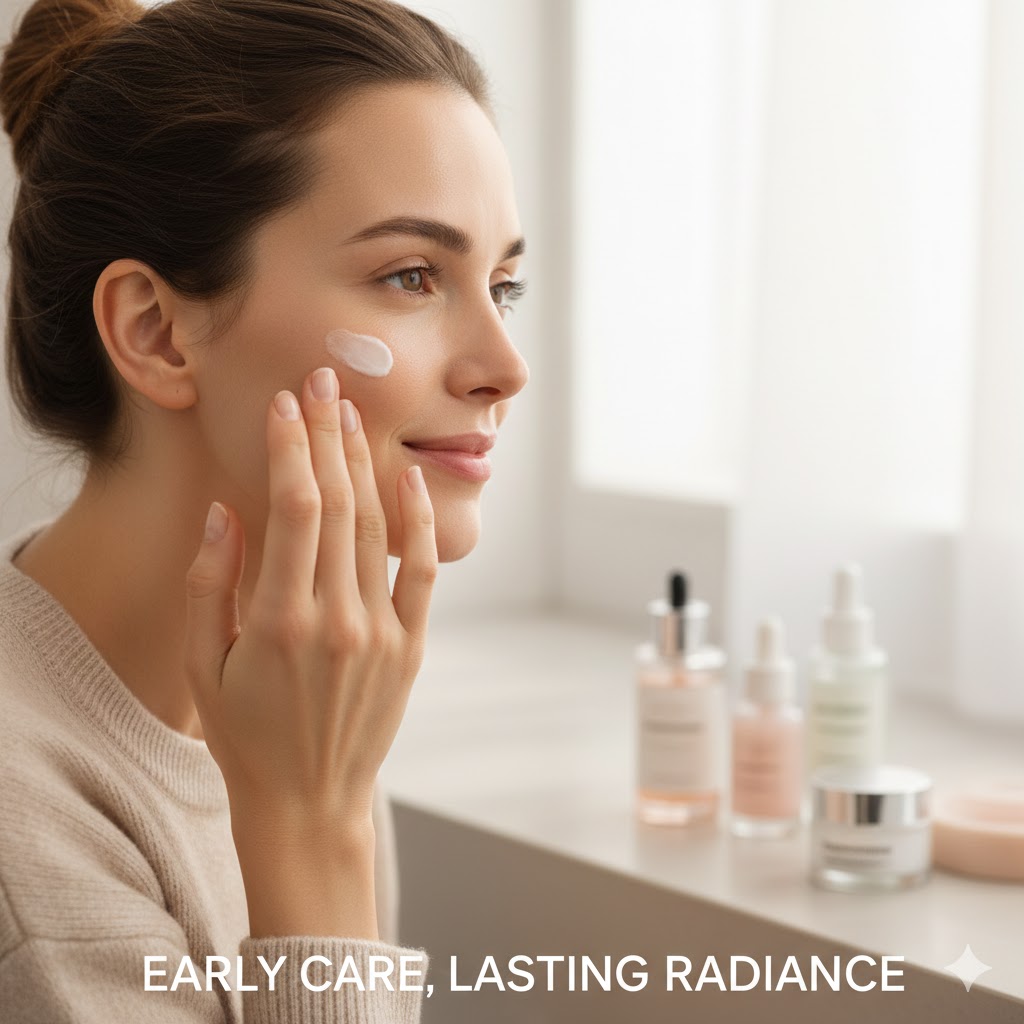
If you start to focus on the steps that are so important for your future health in your 20s, they will become habits that stick. Unfortunately, bad habits also tend to stick. Some tips about gaining and maintaining good habits are in section 9 Healthy people have better habits.
Essentials: exercise, diet and other priorities
Diet and nutrition
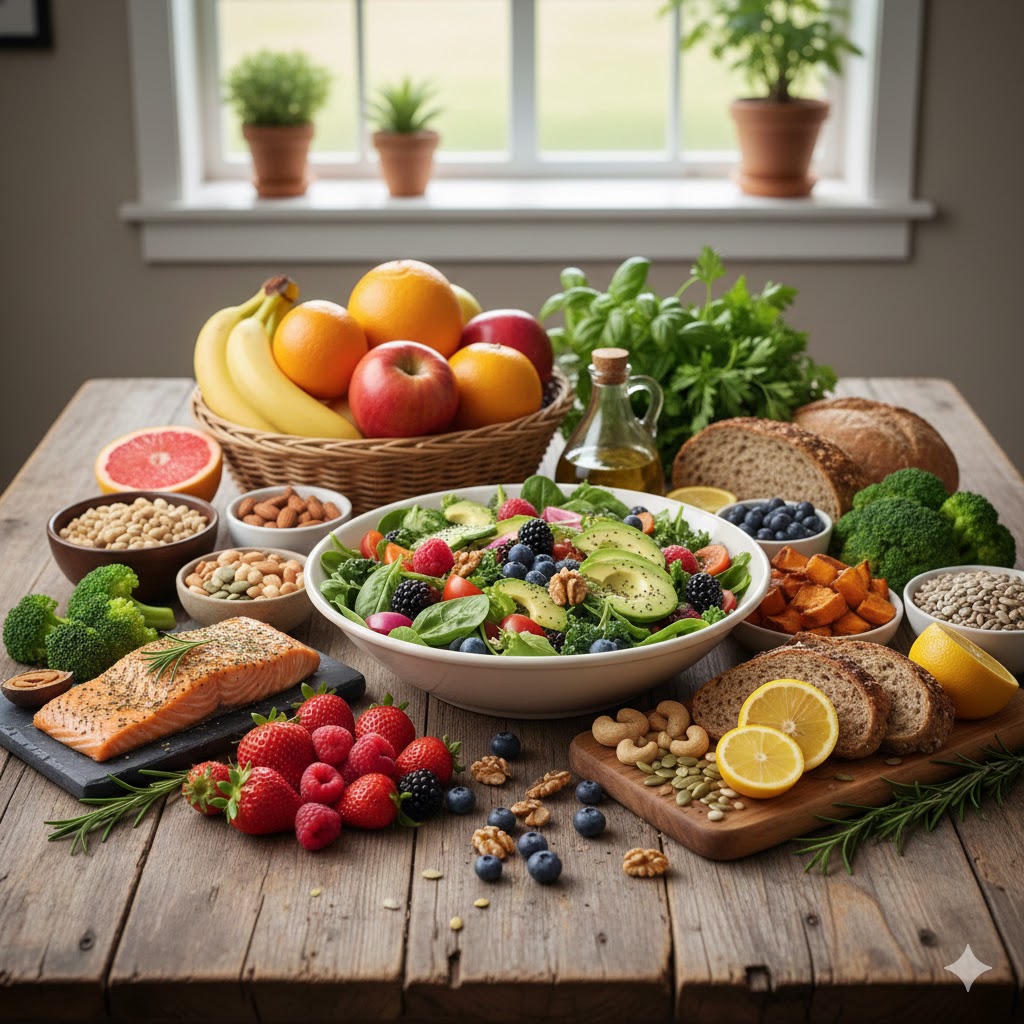
Diet (see section 2 – Diet/Nutrition) is crucially important so it’s wise to make sure you are eating the right foods. But what are the “right” foods? Many people think this means avoiding fast or highly processed foods and eating lots of vegetables. That’s a good start but it doesn’t go far enough.
The right diet needs to include a wide variety of vegetables, legumes, grains and fruits – it is the variety that is essential for nourishment of your microbiome i.e. your gut bacteria, which play a critical role in good health.
In addition to variety, your microbiome needs foods that contain probiotics and prebiotics – together they will provide the diversity and quantity of microbes that are so important (see section 2.5 – Microbiome).
Without this diversity, you will be more susceptible to various health problems, including potential mental health issues (see section 4.4 – Microbiome and your brain).
The right diet will also support your metabolism by keeping your blood pressure, cholesterol, blood sugar and weight within a healthy range.
Exercise
The human species evolved to be active, with most of our history spent as hunter-gatherers, so our bodies are not designed to sit down for most of the day. We need exercise to keep us in shape, both literally and figuratively.
It should include stretching to maintain flexibility (dynamic stretching to warm up before exercise and static stretching after exercise). It should also involve resistance or weight-bearing activity to strengthen your bones and muscles.
This is a good habit to get into in your 20s because it becomes even more important in the 30s when people who don’t engage in weight-bearing activity will start to lose muscle mass.

Aerobic exercise is also very important and the 20s is an opportunity to embark upon one type of aerobic exercise that gets more difficult as we get older, namely intensive exercise – such as circuit training, running, swimming, cycling, high intensity interval training (HIIT), etc. One of the benefits of this is the short-term boost you will get from the release of endorphins and, if you push harder, the rush of the “runners high”.

There is a more significant health benefit of intensive exercise. It increases the number of mitochondria (those “little batteries” in your cells that produce energy) and more mitochondria means more energy.
In addition, weight-bearing exercise will make your mitochondria stronger and, in turn, more efficient at producing energy and better at handling stress and inflammation.
To fully appreciate how important physical activity is, and what you should do, have a look at section 3 – Physical activity.
Other important factors for your health
While exercise and diet are very important, they are not the only factors that need to be managed. For example, the following are all important: consistent and good quality sleep; stress management; avoidance of some substances (such as tobacco) and minimisation of others (such as alcohol); dental health and how it influences your general health; choosing the right medical practitioner and asking the right questions; etc (see section 6 Other health priorities).

Early warning signs
The 20s is a time to pay attention to what your body is telling you because a lot of early warning signs can be addressed, and lifestyle changes made, before they turn into health problems. Putting on weight is one example – if addressed early by adjusting diet, and increasing exercise, the serious problems that are often associated with being overweight – heart disease; diabetes; thyroid dysfunction; etc – can be avoided.
Listening to your body means not dismissing an early warning sign as unimportant no matter how minor it may seem – sometimes, a minor change can be an indication of a more serious problem on its way. On the other hand, an early warning sign might be “normal stress” or “just ageing”.
How do you know the difference?
There is a long list of early warning signs and symptoms in section 7 – Early warning signs – including “what’s normal, and what’s not”. However, many signs or symptoms are indeterminate and can point to different problems, so it is always wise to be sure by checking with your GP.
Target heart rates for exercising

Your target heart rate will depend on your objective, your age and your level of fitness. The first step is to work out your maximum heart rate (MHR) for exercising which is obtained by subtracting your age from 220. Therefore, a person who is 20 has a MHR of 200 bpm (beats per minute). If your goal is high intensity exercise, the rule of thumb is to aim for at least 80% of your MHR i.e. a minimum elevated heartbeat of 160 bpm. There is more information in the table below.
Although it is a common misconception that fat burning only happens in zone 2, it does in fact happen in all zones although zone 2 is optimal for sustained aerobic fat metabolism. It is also a misconception that a higher heart rate always means better fitness – training in lower zones also builds endurance and supports recovery.
| Goal | Zone | BPM age 20 | Activity Examples | |
|---|---|---|---|---|
| Light exercise or recovery | Zone 1 (50–60%) | 100-120 | Gentle walking, yoga, light stretching | |
| Aerobic / Fat burning | Zone 2 (60–70%) | 120-140 | Brisk walking, steady swimming, light cycling | |
| Cardiovascular endurance | Zone 3 (70–80%) | 140-160 | Jogging, moderate cycling, swim intervals | |
| Speed & power | Zone 4–5 (80–100%) | 160-200 | Sprinting, HIIT, hill climbs |
Health records & important documents
Health records: If you are injured or suddenly fall ill away from home, and need to be treated urgently, your medical records could be critical to the outcome of your treatment. That’s why it’s important to ensure they are accessible online. See section 6.11 – Important Health Documents
Why a Will is not enough: If you are in an accident or become very ill, perhaps incapacitated, or even in a coma, who will pay your bills, arrange banking and otherwise manage your affairs?
You need to appoint someone in writing to manage your finances (a Power of Attorney) AND other documents enabling someone to make healthcare decisions for you (an Enduring Guardianship and an Advance Health/Medical Care Directive): see section 6.11 – Important Health Documents.
What to do – today – to improve your health
- Make a list of proactive steps you are going to take and when you are going to start on each one.
- Make a commitment to become more proactive and tell someone close to you about your decision, what you are going to do and when.
Below is a short checklist and a template for a proactive health plan that should be adapted by you for your specific circumstances, level of fitness and state of health. The more you cross-reference the links in this section about the 20s to the relevant part of the Proactive Health Guide, the better your personal plan will be.
Checklist for the 20s and ageing well
- Establish regular exercise (strength + cardio)
- Build bone density through weight‑bearing activity
- Protect your skin from sun exposure
- Learn healthy sleep routines
- Build balanced eating habits
- Avoid smoking and limit alcohol
- Develop stress‑management skills
Your proactive health plan
Putting your plan in writing is an important step towards improving your health. The more specific and detailed the plan is the better. For example, instead of setting your objective as “Aim for 3 hours of exercise each week”, it will be more effective if you say “Jog 5km each Wednesday and Saturday morning”. Instead of saying “Maintain a consistent sleep schedule” say “Go to bed at 10 PM and get up at 6:30 AM each day”.

You may want to do this on an Excel spreadsheet so that you can put in the starting date and have a column for each day of the month to keep track of how well you are progressing with your plan. Ideally, each day you will put a tick or a cross against each step that you have decided to embark on. Remember, consistency is the key – it is better to do a little bit every day, and continue doing it until it becomes a habit (see section 9 – Healthy people have better habits), than to do too much and burn out. That means – don’t set your sights too high when you start.
If you also want to track changes to various aspects of your health after embarking on your plan, have a look at section 10.2 – Track your progress
| Proactivity focus | Details of what I am going to do | How often | Day 1 |
|---|---|---|---|
| Deep breathing – see section 6.3 Breathing | I breathe deeply [in for 4 seconds; hold for 4; out for 4; and hold again for 4] and do it for 1-2 minutes whenever I need a deep breathing boost. The trigger to remind me to do this is … [e.g. when I start to lose concentration OR when I feel tense or under stress OR when I don’t feel happy, etc] | Multiple times throughout the day | |
| Diet & nutrition – see section 2 Diet/Nutrition | I eat a wide variety of vegetables, fruits, legumes and whole grains by adding …. [state specifically what foods you are going to add to your diet] | Daily | |
| I limit sugar intake, processed foods and salt [be specific what you are going to reduce or eliminate from your diet] | Daily | ||
| I boost my microbiome with probiotic and prebiotic foods [state the specific foods e.g. fermented foods – yoghurt, sauerkraut, etc] | Daily | ||
| Exercise – see section 3 Physical Activity | I do 30 minutes of … [e.g. brisk walking] twice per week before breakfast | Tuesday & Friday | |
| I swim for 30 minutes once per week | Saturday | ||
| I do weights [or use resistance bands] to preserve muscle twice per week | Monday & Thursday | ||
| I do balance exercises (e.g. tai chi, yoga) twice per week | Saturday Wednesday | ||
| I play tennis [or golf, etc] once per week | Sunday | ||
| I do a minimum of 10,000 steps every day | Daily | ||
| Medications | I check for interactions or side effects with GP or pharmacist if there are any changes in the way I feel and for any new drug | Insert date | |
| Mental health | I stay mentally active by … (e.g. puzzles, reading) See section 4.2 | Daily | |
| I learn … [e.g. about the 100 years war OR a new language OR a musical instrument] | Daily | ||
| I work on brain health [specify what you are going to do] See cognitive training section 4.2 | Insert when | ||
| I work on being positive See section 5.2 | Insert when | ||
| I take part in a purposeful activity [ e.g. volunteering or a project such as renovating part of your garden] See section 4.2 | Insert date | ||
| Mindfulness – see section 5.3 Mindfulness | I engage in mindfulness regularly during each day. The trigger to remind me to do this is … [when I daydream OR when I find my posture is poor OR when I lose concentration OR when I walk through a doorway OR … etc] | Multiple times per day | |
| Screenings & check-ups | Blood test including PSA and blood sugar; Colonoscopy; Mammogram; Skin cancer check; Eye test; Bone density scan, etc | Insert dates (month and year) for each one | |
| Sleep hygiene – see section 6.1 Sleep | I go to bed at 10pm and get up at 6:30am | Each day | |
| No screens 1 hour before bed | Each day | ||
| Address snoring or sleep apnoea with GP | Insert date | ||
| Social connections | I join a community group or interest-based club [be specific about what and when] | Insert date | |
| I stay engaged with friends and family, or community groups [be specific about what you are going to do and when] See section 4.2 | Weekly or monthly | ||
| Symptoms & early warning signs | I monitor changes to the way I feel and keep a written record of any signs that I think are unusual. See section 7.2 | Ongoing | |
| Vaccinations – see section 6.8 Vaccinations | I get an annual flu and pneumonia shot; I get a Covid 19 booster | Insert date for each one | |
| Other | This is for other issues that may be important for you |