Better health in our 50s




Some keys for thriving in our 50s include:
Snapshot of our 50s
The habits we develop, or strengthen, in our 50s are critically important for our health in the decades ahead. This is partly because our bodies are still highly responsive to lifestyle improvements, and small adjustments can dramatically reduce the risk of chronic disease in the future.
There will be some health challenges, but they are mostly manageable, and the odds of keeping healthy are in your favour, especially if you take a proactive – rather than reactive – approach. This can also help you maintain the quality-of-life you value for longer.
Three factors are very important for future health – staying physically active (particularly aerobic exercise); protecting your metabolic and cardiovascular health (especially blood pressure, blood sugar and weight); and the quality of your diet/nutrition.
Other important factors include your cognitive health (e.g. having a purpose); maintaining strong social connections; consistent sleep; managing stress and listening to what your body is telling you – early warning signs. Other factors are listed in the 50s checklist.
50s Topics…
- Challenges, building resilience and preventing problems
- Essentials – diet, exercise and other priorities
- Risks and early warning signs
- Screenings & check-ups
- Target heart rate when exercising
- Health records and directives
- What to do – today – to improve your health
- Health checklist – for the 50s and ageing well
- Your proactive health plan
- Appendix A. 50s Physical health risks
- Appendix B. 50s Disease and illness risks
Challenges, building resilience and preventing problems
Challenges
Various health risks increase during our 50s, including cancer and cardiovascular disease, especially for those who have a family history of heart related problems or whose lifestyle (e.g. lack of exercise or poor diet) adds to the risk. There will be an ongoing reduction in muscle mass if weight-bearing exercise is not done regularly. Bone density declines, and type 2 diabetes becomes more common, especially if obesity or insulin resistance is relevant. Menopause typically completes during this decade, with hormonal changes affecting sleep, mood and metabolism. Depression, anxiety and burnout can be a problem due to career issues, caregiving stress or hormonal changes.
Future challenges
The risk of not developing and continuing good health habits into our 50s is weakness in the foundations that are needed to underpin health for the future. This is like using concrete without enough cement – it will be OK for some time, but it won’t have the same underlying strength or long-term resilience. And it can cause short-term problems also, including compromising your immune system and thereby increasing the risk of health problems.
The good news
The odds are in your favour.

For example, less than 10% of Australians in their 50s have heart, stroke or vascular disease, type 2 diabetes or suffer a stroke. Cancer is estimated at less than 5% although mental health is higher (estimated at up to 15%).
Don’t rely on the odds
The odds being in your favour doesn’t help if you are one of the unlucky ones so, if you don’t already live by the proactive health principles explained in this guide, it’s time to start. Even if you live by most of these principles, but not all, you should seriously think about extending what you do.
Building resilience and preventing problems
The 50s is a decade of opportunity – a time to develop your physical and mental resilience before the acceleration of health changes comes about in the 60s.
This will prevent some potential health problems and, for those that can’t be prevented, it will enable early detection and the undoubted benefits of early treatment.
It will also help you to sustain the quality-of-life that you would like for longer than you would if you remain reactive, particularly if you put extra effort into:

- Aerobic fitness – VO₂ max (oxygen uptake capacity)
- Cardiovascular: screening and risk management
- Nutrition quality and weight management
These three factors are strong predictors for people in their 50s of future quality-of-life, but they are not the only ones. There are many other proactive practices that are necessary for good health including diet and nutrition; regular checkups; good quality sleep; and being mentally active. A list of these is summarised in the Checklist for the 50s below and explained in the paragraphs that follow. More information is available by following the links to the resource sections of this guide.
The essentials – diet, exercise and other priorities
Exercise
Physical activity will minimise the effects of ageing and becomes even more important in our 50s, especially for people who haven’t been engaged in regular exercise before. It should include both aerobic (for cardiovascular benefits) and weight-bearing (to counter muscle loss and strengthen bones – particularly important for addressing osteoporosis).

Physical activity will minimise the effects of ageing and becomes even more important in your 50s, especially if you haven’t been engaged in regular exercise before.
Exercise should include both aerobic (for cardiovascular benefits) and weight-bearing (to counter muscle loss and strengthen bones – particularly important for addressing osteoporosis).
Weight-bearing doesn’t mean “pumping iron” – resistance bands (large rubber loops) are good for home use and walking uphill, dancing, playing tennis, etc, also qualify. And if you walk briskly, as if you’re running late for a bus, you will derive an aerobic benefit and your heart will thank you.
If you’re up for more intense exercise, such as circuit training, running, etc you will get more benefit, including the short-term boost you will get from the release of endorphins. Intensive exercise also increases the number of mitochondria (those “little batteries” in your cells that produce energy) and more mitochondria means more energy. On the other hand, weight-bearing exercise will make your mitochondria stronger and, in turn, more efficient at producing energy and better at handling stress and inflammation.
It is also important, perhaps even more important as we age, to stretch – dynamic stretching to warm up before exercise and static stretching after exercise or later in the day when your muscles have warmed up (see section 3.6 and section 3.7). To fully appreciate how important physical activity is and what you should do, please have a look at the whole of section 3 – Physical activity.
Diet
Diet is equally important so it may be a good idea to double check to make sure you are eating the right foods. But what are the “right” foods?
Many people think this means avoiding fast or highly processed foods and eating fruit and vegetables. That’s a good start but it doesn’t go far enough – the right diet includes a wide variety of vegetables, legumes, grains and fruits. This is essential for proper nourishment of your gut bacteria (see section 2.5 – Microbiome), which play such a critical, but underappreciated, role in good health.


In addition to variety, your gut bacteria need food that contain probiotics (e.g. fermented foods such as yogurt) and prebiotics (such as oats and legumes).
Without these, your microbiome will lack the necessary diversity and quantity of microbes, which can lead to poor health, including increased anxiety and memory deterioration.
The right diet will also support your metabolism by keeping your blood pressure, cholesterol, blood sugar and weight within a healthy range. Protein-rich foods will preserve muscle mass; and vitamins (calcium and vitamin D) are needed to support bone health. There is a lot more information about the right diet, including foods that contain the necessary vitamins and nutrients, in section 2 – Diet and nutrition.
Cognitive engagement – novelty, having a purpose and ongoing learning
To keep our brains sharp, it is important to keep learning – acquiring new skills and/ or engaging in complex tasks help to maintain neural connections. Other important factors include social engagement and purposeful activities such as hobbies, mentoring and creative pursuits that have been shown to enhance mental clarity, and boost motivation. What’s good for your brain.
In addition to having a variety of health benefits, positive thinking helps improve mental health by lowering stress levels and protecting against anxiety. Mindfulness can also contribute to good mental health – it helps to reduce forgetfulness, improve concentration and increase situational awareness: Mindfulness.
The other side of the coin is managing cognitive risks, including loneliness: What’s bad for your brain.
Other priorities for good health
Diet/nutrition, exercise and cognitive stimulation are not the only factors that are necessary for good health in our 50s. Other factors that need to be managed – Other priorities for good health – include sleep; dental health; stress management and maintaining strong social ties.
Social engagement reduces isolation and supports emotional resilience – important factors in avoiding loneliness, which is a major risk factor for depression, and mortality, as we get older.
The evidence is remarkably consistent: people who maintain meaningful relationships, regular social contact, and a sense of belonging experience better cognitive health, better emotional balance, and even lower rates of chronic disease. Social connection reduces stress hormones, supports immune function, and keeps the brain stimulated in ways that solitary activities simply can’t replicate. It’s not just diet and physical activity that are important – there are other factors that contribute to good health that need to be managed in our 50s. For example, in order to support cognitive health, it is important to stay socially engaged, retain purposeful pursuits, learn new skills and manage risk factors (see section 4.2 – What’s good for your brain). The other side of the coin is managing cognitive risks: What’s bad for your brain.

Mindfulness helps to minimise forgetfulness and improves focus/concentration. It has a related benefit of increasing situational awareness and, when you learn the technique, it can make you more alert and feel better: Mindfulness).
Other issues that need to be managed include sleep; relationships; dental health and its effect on general health; and stress (see section 6 – Other health priorities).
Risks and early warning signs
Many risks don’t give any advance warning. Conditions like hypertension, cardiovascular disease and cancer can often develop silently, without any symptoms – see No early warning signs in section 8.
But many do have early warning signs. For example, breathlessness after mild exercise and/or weight gain (both are a possible indication of heart disease although they can also be indicative of other problems).
So, it’s important to listen to what your body is telling you and not dismiss an early warning sign as “just ageing” no matter how minor it may seem – sometimes, a minor change can be an indication of a more serious problem on its way. On the other hand, an early warning sign might be “just ageing”.
How do you know the difference?
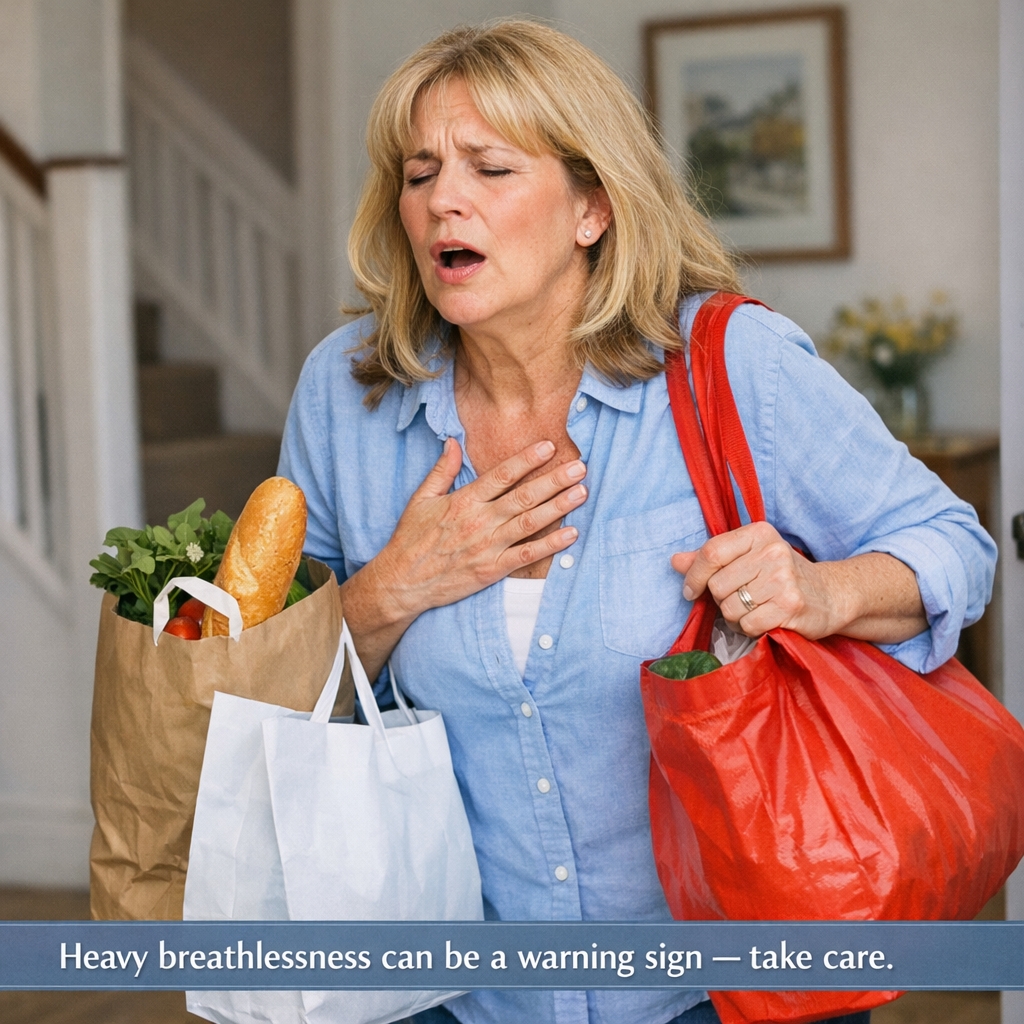
Have a look at the table below that deals with risks which either emerge or increase in our 50s. There is also a long list of early warning signs and symptoms in section 7 – Early warning signs – including “what’s normal, and what’s not”. However, many signs or symptoms are indeterminate and can point to different problems, so it is always wise to be sure by checking with your GP.
| Health Risk | Signs or symptoms | Notes |
|---|---|---|
| Arthritis | Pain, swelling and reduced range of motion can affect daily tasks | Rheumatoid arthritis can occur as young as 30 and osteoarthritis is possible in your 50s, particularly after an injury. |
| Cancer | Indeterminate or no early warning signs | Screening for bowel, breast skin and prostate cancer are important in the 50s |
| Depression or anxiety | Irritability; low energy, mood and motivation; poor sleep; changes in appetite; loss of interest in activities and/or social connection | The risk increases often as a result of career issues, caregiving responsibilities, hormonal changes, etc. Maintain or take up purposeful activities; social connections remain important |
| Diabetes: Type 2 | Often there are no signs or they are mistaken for normal ageing; the risk is higher if overweight or you don’t exercise regularly | The prevalence of this increases in the 50s. Screening – blood glucose and kidney function – is especially important for those with risk factors like hypertension, obesity or family history.. |
| Falls and fractures | Deterioration in balance and mobility | Fractures become more common and osteoporosis exacerbates the danger. Work on mindfulness and balance |
| Hearing decline | Difficulty picking up words especially in a noisy environment | Hearing problems can contribute to future cognitive decline so it’s important to get hearing tested |
| Heart disease, high blood pressure and stroke | Being overweight and breathlessness after mild physical activity are possible indicators but there are not always any pre-warning signs | Risk rises due to declining estrogen/testosterone, higher blood pressure and cholesterol changes, which need to be checked. Discuss the possible need for a calcium score with your GP |
| Obesity and visceral fat | Visceral fat wraps around vital organs such as the liver, pancreas and intestines. It can be present even in people with flat bellies and low body fat percentages. | Peaks in the 50s and 60s and harder to reverse due to metabolic slowdown. See section 2.4 – Weight management |
| Vision problems | Cataracts – deterioration in vision clarity; glaucoma – no early warning signs | Increased risk needs to be managed by regular checkups |
Screenings & checkups for the 50s
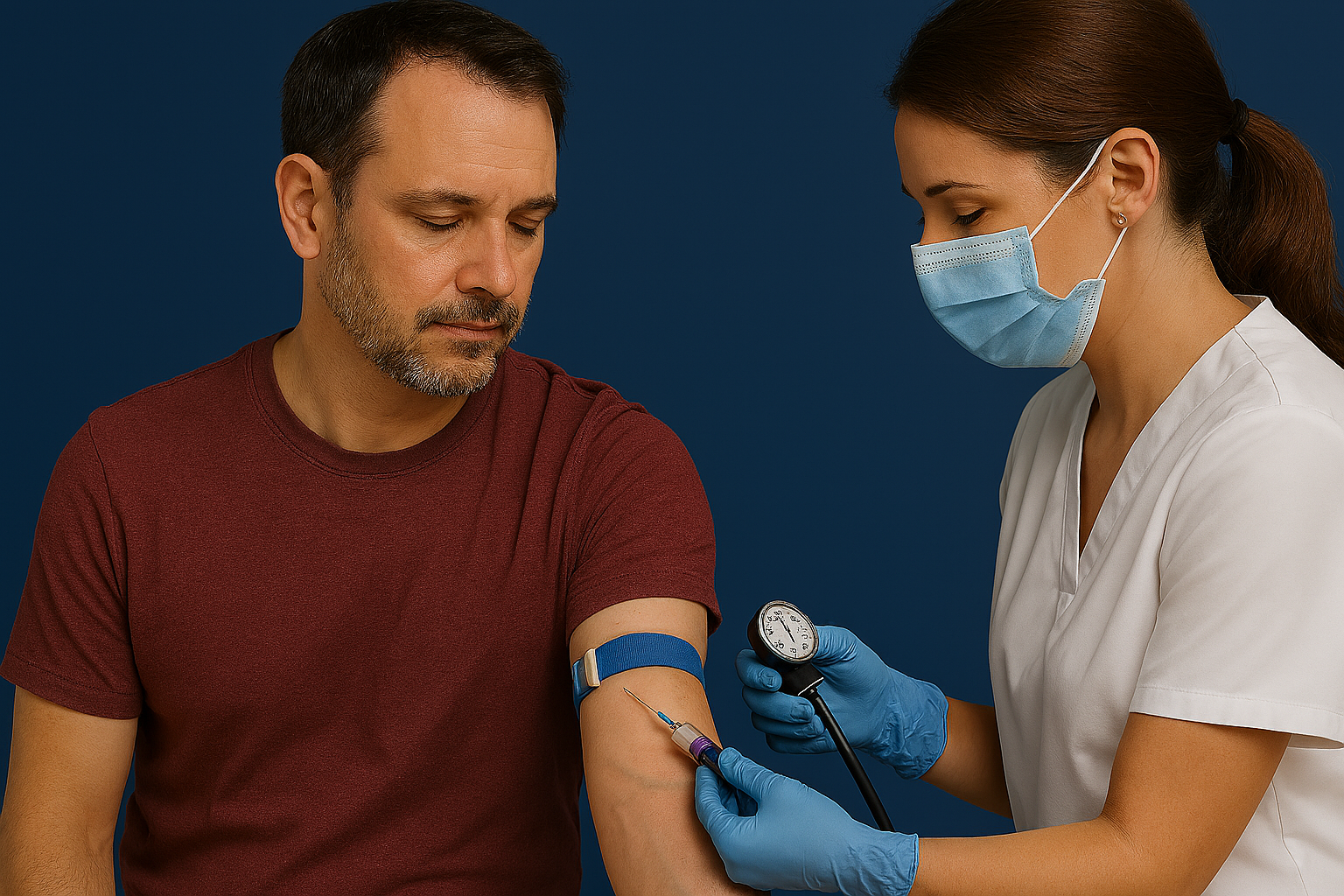
It becomes increasingly important in our 50s to have regular screenings – especially for those health problems that don’t have meaningful early warning signs – and to check with your doctor unless you are certain that a physical, emotional or mental change is normal. Early detection can make a big difference.
For example, bowel cancer screening should be conducted every 2 years; mammograms also every 2 years from age 50 to 75; blood tests should include a PSA reading, a possible indicator of prostate cancer. Colonoscopies are also recommended every 5 years from age 45. Other checkups are listed in the table below.
| Test / checkup | Recommendation |
|---|---|
| Bowel cancer | Every 2 years from age 50 up to 75. Some doctors recommend continuing if life expectancy is more than 10 years |
| Breast cancer | Mammogram every 2 years from age 40 unless GP recommends otherwise |
| Cervical cancer | HPV screening every 5 years from age 25 to 75 |
| Cardiovascular / heart health | Annual cholesterol, blood sugar and blood pressure checks; |
| Colonoscopy | Every 5 years from age 45 to 75 |
| Diabetes & kidneys | Testing for blood glucose and kidney function every 3 years or more often if hypertension or diabetes history |
| Eyesight | At least every 2 years (glaucoma has no early warning sign) |
| General health | GP visit recommended annually for broad review of health |
| Hearing | Testing advisable if any deterioration (loss can contribute to dementia) |
| Lipoprotein | Discuss with your GP if not already tested |
| Osteoporosis | Screening may be advisable particularly for post-menopausal women |
| Prostate cancer | Discuss with your GP including a PSA reading in your next blood test |
| Skin cancer | Annual testing |
| Stroke | Annual checks for blood pressure, cholesterol and heart rhythm are recommended for those at risk (family history or lifestyle issues such as smoking, being overweight, having a sedentary lifestyle, etc) |
| Vaccinations | Shingles and pneumococcal. Regular flu and Covid 19 |
It is, of course, advisable to get screenings done more regularly if there are any early warning signs or increased risk factors, such as your lifestyle or family history.
Target heart rates for exercising
Your target heart rate will depend on your objective, your age and your level of fitness. The first step is to work out your maximum heart rate (MHR) for exercising which can be calculated by subtracting your age from 220. Therefore, if you are 50, your MHR is 170 bpm (beats per minute) although this can vary depending upon level of fitness and state of health, etc. If your goal is aerobic activity, the rule of thumb is to aim for 60-70% of MHR i.e. a heartbeat between 100 and 120 bpm
Although it is a common misconception that fat burning only happens in the 60-70% zone, this is the optimal zone for sustained aerobic fat metabolism. It is also a misconception that “higher heart rate always means better fitness” – this isn’t true because exercising in lower zones builds endurance and supports recovery.
| Goal | Zone | BPM age 50 | Activity Examples |
|---|---|---|---|
| Light exercise or recovery | Zone 1 (50–60%) | 85-100 | Gentle walking, yoga, light stretching |
| Aerobic / Fat burning | Zone 2 (60–70%) | 100-120 | Brisk walking, steady swimming, light cycling |
| Cardiovascular endurance | Zone 3 (70–80%) | 120-136 | Jogging, moderate cycling, swim intervals |
| Speed & power | Zone 4–5 (80–100%) | 136-170 | Sprinting, HIIT, hill climbs |
Health records & directives
Health records: If you are injured or suddenly fall ill away from home, and need to be treated urgently, your medical records could be critical to the outcome of your treatment. That’s why it’s important to ensure they are accessible online. Talk to your doctor about this: see section 6.11 – Important Health Documents
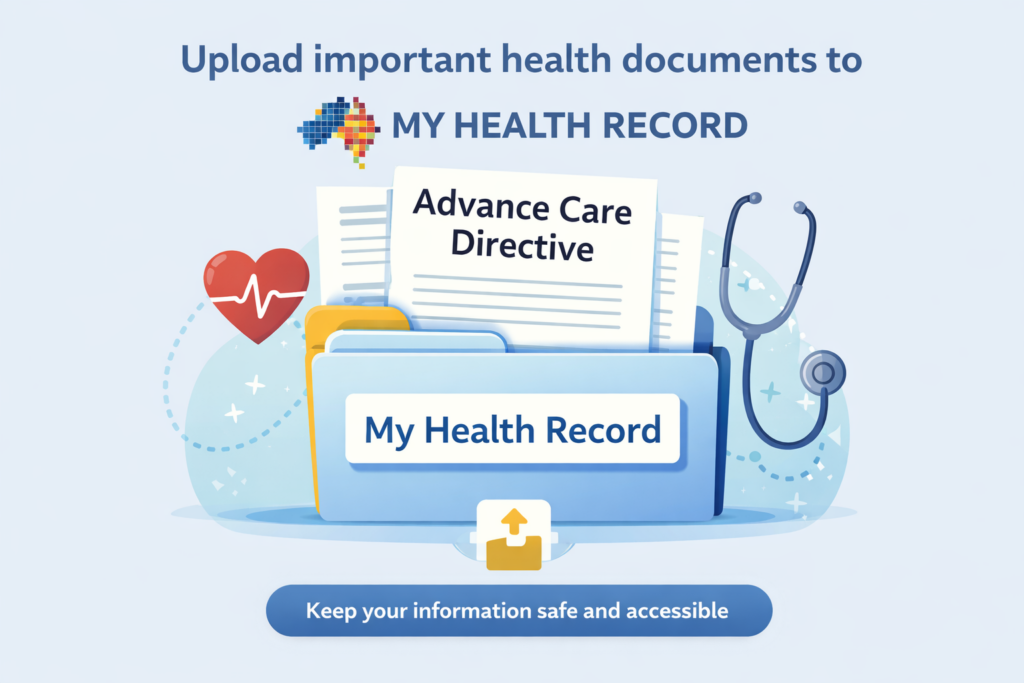
Why a Will is not enough: If you are in an accident or become very ill, perhaps incapacitated, or even in a coma, who will pay your bills, arrange banking and otherwise manage your affairs? You need to appoint someone in writing to manage your finances (a Power of Attorney) AND a different document enabling someone to make healthcare
decisions for you (an Enduring Guardianship and Advance Health/Medical Care Directive): see section 6.11 – Important Health Documents
What to do – today – to improve your health
- Make a commitment to become more proactive and tell someone close to you about your decision, what you are going to do and when.
- Make a list of proactive steps you are going to take and when you are going to start on each one.
Below is a brief checklist for the 50s and a template for a proactive health plan that should be adapted by you for your specific circumstances, level of fitness and state of health. The more you cross-reference the links in this section about the 50s to the relevant part of the Proactive Health Guide, the more you will learn and the better your personal plan will be.
Proactive health checklist – for the 50s and ageing well
- Weight bearing exercise to counter muscle loss
- Cardiovascular exercise (walking, cycling, swimming)
- Monitor blood pressure, cholesterol, and glucose regularly
- Get a bone density scan (DEXA) if relevant
- Review diet to ensure adequate protein, fibre and micronutrients
- Protect joints with low‑impact movement and good technique
- Sun protection and regular skin checks
- Be aware of possible midlife mental health issues
- Check sleep hygiene, including the possibility of sleep apnoea
- Stay socially connected to protect cognitive and emotional wellbeing
- For women: consider menopause management and bone health
- For men: monitor prostate health and metabolic markers
Your proactive plan
Putting your plan in writing is an important step towards improving your health. The more specific and detailed the plan is the better. For example, instead of saying in column 2 “Aim for 150 minutes of moderate activity per week”, it will be more effective if you say something like “Walk 2km at a brisk pace each Wednesday and Saturday morning”. Instead of saying “Maintain a consistent sleep schedule” say “Go to bed at 10 PM and get up at 6:30 AM each day”.

You may want to do this on an Excel spreadsheet so that you can put in the starting date and add columns for each day of the month to keep track of how well you are progressing with your plan. Ideally, each day you will put a tick or a cross against each step that you have decided to embark on. Remember, consistency is the key – it is better to do a little bit every day, and continue doing it until it becomes a habit (see section 9 – Healthy people have better habits), than to do too much and burn out. That means – don’t set your sights too high when you start.
If you also want to track changes to various aspects of your health after embarking on your plan, have a look at section 10.2 – Track your progress.
| Proactivity focus | Details of what I am going to do | How often | Day 1 |
|---|---|---|---|
| Deep breathing – see section 6.3 Breathing | I breathe deeply [in for 4 seconds; hold for 4; out for 4; and hold again for 4] and do it for 1-2 minutes whenever I need a deep breathing boost. The trigger to remind me to do this is … [e.g. when I start to lose concentration OR when I feel tense or under stress OR when I don’t feel happy, etc] | Multiple times throughout the day | |
| Diet & nutrition – see section 2 Diet/Nutrition | I eat a wide variety of vegetables, fruits, legumes and whole grains by adding …. [state specifically what foods you are going to add to your diet] | Daily | |
| I limit sugar intake, processed foods and salt [be specific what you are going to reduce or eliminate from your diet] | Daily | ||
| I boost my microbiome with probiotic and prebiotic foods [state the specific foods e.g. fermented foods – yoghurt, sauerkraut, etc] | Daily | ||
| Exercise – see section 3 Physical Activity | I do 30 minutes of … [e.g. brisk walking] twice per week before breakfast | Tuesday & Friday | |
| I swim for 30 minutes once per week | Saturday | ||
| I do weights [or use resistance bands] to preserve muscle twice per week | Monday & Thursday | ||
| I do balance exercises (e.g. tai chi, yoga) twice per week | Saturday Wednesday | ||
| I play tennis [or golf, etc] once per week | Sunday | ||
| I do a minimum of 10,000 steps every day | Daily | ||
| Medications | I check for interactions or side effects with GP or pharmacist if there are any changes in the way I feel and for any new drug | Insert date | |
| Mental health | I stay mentally active by … (e.g. puzzles, reading) See section 4.2 | Daily | |
| I learn … [e.g. about the 100 years war OR a new language OR a musical instrument] | Daily | ||
| I work on brain health [specify what you are going to do] See cognitive training section 4.2 | Insert when | ||
| I work on being positive See section 5.2 | Insert when | ||
| I take part in a purposeful activity [ e.g. volunteering or a project such as renovating part of your garden] See section 4.2 | Insert date | ||
| Mindfulness – see section 5.3 Mindfulness | I engage in mindfulness regularly during each day. The trigger to remind me to do this is … [when I daydream OR when I find my posture is poor OR when I lose concentration OR when I walk through a doorway OR … etc] | Multiple times per day | |
| Screenings & check-ups | Blood test including PSA and blood sugar; Colonoscopy; Mammogram; Skin cancer check; Eye test; Bone density scan, etc | Insert dates (month and year) for each one | |
| Sleep hygiene – see section 6.1 Sleep | I go to bed at 10pm and get up at 6:30am | Each day | |
| No screens 1 hour before bed | Each day | ||
| Address snoring or sleep apnoea with GP | Insert date | ||
| Social connections | I join a community group or interest-based club [be specific about what and when] | Insert date | |
| I stay engaged with friends and family, or community groups [be specific about what you are going to do and when] See section 4.2 | Weekly or monthly | ||
| Symptoms & early warning signs | I monitor changes to the way I feel and keep a written record of any signs that I think are unusual. See section 7.2 | Ongoing | |
| Vaccinations – see section 6.8 Vaccinations | I get an annual flu and pneumonia shot; I get a Covid 19 booster | Insert date for each one | |
| Other | This is for other issues that may be important for you |
APPENDIX A
Physical health issues in our 50s
- Arthritis: signs often begin to show in the 50s – stiffness in the morning, aching joints after activity, some swelling and perhaps slightly reduced mobility. Osteoarthritis is the most common form, typically affecting knees, hips, hands or lower back. Management focuses on staying active – low-impact exercise like swimming or walking helps maintain joint mobility. Weight management, anti-infl updating some ammatory medications (like meloxicam), and occasional physiotherapy can reduce strain and improve comfort. See section 8.5 – Arthritis
- Bone health: Post-menopausal women and those with osteoporosis risk factors who have not had a bone density scan in their 50s should discuss this with their GP. Maintain calcium (1,200 mg/day) and vitamin D (800–1,000 units/day).
- Cardiovascular: It is important to maintain regular aerobic and strength-based exercise. Moderate-to-high intensity workouts are beneficial (section 2 – Exercise). It’s important to monitor blood pressure, cholesterol, and blood sugar annually (see section 7.3 and section 8.4).
- Cognitive changes: As we move through our 50s, mild memory lapses may begin and learning new information becomes harder, partly because of brain shrinkage and deteriorating connections between the neurons. This can result in slower recall and multitasking becoming more difficult.
- Diet, nutrition and hydration: Focus on nutrient-rich foods, fibre, lean protein and healthy fats. Aim for 6-8 cups per day of fluids. See section 2 – The vital role of diet and nutrition
- Eye tests: Once every 2 years or more often if vision deteriorates or risk of glaucoma (which has no early warning sign).
- Hearing: Testing advisable if hearing deteriorates
- Heart disease: See Cardiovascular above
- Hormonal changes: Postmenopausal and testosterone-related shifts may affect emotional well-being and metabolism. Nutrition, exercise, sleep, and stress management are all relevant for dealing with this. So is feeling engaged with life and connected to others, both of which are important factors in regulating stress hormones like cortisol.
- Injury management: Warm up and cool down before and after exercise. Soreness may reflect inflammation – use ice for the first 48 hours, then consider heat therapy. Both ice and heat should be applied for only 15 to 20 minutes and not again for one hour. Both should be applied through protective material to avoid skin damage.
- Muscular health: Maintain regular stretching, balancing and strengthening exercises, especially core and glute strength to support posture, and prevent back pain, and weight bearing exercises to slow muscle loss and support joint stability (see section 3 – Exercise)
- Osteoarthritis: See Arthritis above
- Osteoporosis: See Bone Health above
- Physical activity is essential for good health and, ironically, exercise will actually increase available energy for future use. This is because of the effect it has on your mitochondria – the tiny “batteries” in your cells that convert food into energy. Resistance or weight-bearing exercise strengthens those little batteries, and aerobic exercise (e.g. fast walking) will multiply the number of batteries (see section 3.4 – Exercise and mitochondria).
- Respiratory: Breathing problems, such as chronic bronchitis and emphysema, become more common, often undiagnosed until breathlessness starts to affect daily activities. Asthma may also worsen due to reduced lung elasticity. Screening involves lung function tests and symptom tracking. Vaccinations (flu and pneumococcal) are essential to reduce complications.
- Sleep quality: Sleep may become lighter and/or more fragmented. If ongoing tiredness, consider a sleep assessment to rule out apnoea or other disruptions (see section 6.1 – Sleep). If you feel more than tiredness, and it persists for more than 2 weeks, talk to your GP – it could be fatigue.
APPENDIX B
Disease & illness risks in our 50s
- Cancer: Screening for cancers such as bowel, breast, skin and prostate is very important when you get your 50s. Other cancers should be screened for if there is a family history, including pancreatic cancer (although the risk is low in the 50s). A variety of cancers and their early warning signs (if any) are included in section 8.2 – Conditions that require testing.
- Diabetes (Type 2): Risk increases significantly during the 50s so monitor blood sugar, particularly if you have a family history, if you start putting on weight or do not do regular exercise.
- Heart disease and stroke: Risk of heart failure, arrhythmias and vascular disease increases. Monitor symptoms of heart disease (breathlessness, swelling, etc); maintain healthy weight and avoid processed foods, smoking and excess alcohol. Annual cardiovascular review recommended if there are any risk factors: see section 7.3 – Early warning signs of heart problems – andsection 8.4 – Heart disease.
- Medication safety: Some people need to take multiple medications at the same time. This increases the risk of side effects and adverse interactions between drugs so, if they are prescribed by different doctors, it’s very important for your GP or pharmacist to review your medications periodically.
- Mental health: Career shifts, caregiving roles, and grief can affect emotional wellbeing. Depression, anxiety, and burnout can intensify due to life transitions, caregiving stress or hormonal changes.
- Osteoporosis becomes more common, especially for postmenopausal women. Bone density scans may be warranted. Management includes calcium, vitamin D, weight-bearing exercise and sometimes medication.