Diet and Nutrition




Topics …
- 2.1 A balanced diet
- 2.2 Nutrition
- 2.3 Hydration
- 2.4 Weight, insulin, leaky gut and visceral fat
- 2.5 The importance of your microbiome
- 2.6 The importance of your mitochondria
- 2.7 How diet helps manage stress
- 2.8 Diet – brain benefits
- 2.9 Diet – cardiovascular benefits
- 2.10 Free radicals and antioxidants
- 2.11 Blood sugar regulation and glycaemic load
- 2.12 Ultra processed foods
2.1 A balanced diet
We all know the importance of eating a balanced diet for overall health – strengthening the immune system, supporting brain function, reducing the risk of dementia, improving energy levels and promoting healthier ageing.
But what exactly is a balanced diet?
It means eating the right food groups in the right proportions. It also means eating the right quantities, which depends on your metabolism, activity level and overall energy requirements.

A balanced diet should include:
- Whole foods – fruits, vegetables, legumes, whole grains, nuts, seeds, lean proteins and healthy fats. Whole foods simply means foods that are minimally processed and close to their natural form.
- Fibre‑rich foods – support digestion, stabilise blood sugar and nourish the gut.
- A wide variety of foods – promote a diverse and healthy microbiome, including probiotics (yogurt, kefir, fermented foods) and prebiotics (oats, legumes, onions, garlic).
- Foods rich in antioxidants – help protect cells, especially brain cells, from premature ageing.
- Healthy fats – particularly omega‑3 fats from fish, nuts and seeds, support brain health, reduce inflammation and help the body absorb essential vitamins (A, D, E and K).
- Lean proteins – fish, poultry, tofu and beans.
It is also important to limit highly processed foods. Keep in mind that the human body evolved over a long period of time when there were no fast or processed foods. The prevalence of these in the 21st century is part of the reason that so many people have health problems.
Adjusting diet as we age
It is important to recognise that the right foods, proportions and quantities change as we age and vary from person to person. Genetics, medical conditions, medications and gut health all influence how different foods affect each person, which is why listening to your body is an important part of a balanced diet.
As we reach our 60s and 70s, our metabolism naturally slows, making weight gain more likely unless dietary intake is adjusted. At the same time, the body becomes less efficient at absorbing certain nutrients – particularly vitamin B12, calcium and vitamin D – meaning some people may need to be more deliberate about their food choices to maintain adequate nutrition.
Protein needs also increase with age. Older adults require more protein to maintain muscle strength, mobility and immune function, because the body becomes less efficient at using dietary protein and muscle mass naturally declines. In more advanced cases, this can progress to sarcopenia, a condition characterised by significant muscle loss, reduced strength and impaired physical performance which increases the risk of falls.
These changes – slower metabolism, reduced nutrient absorption and higher protein requirements – can all contribute to weight gain. The most effective response is to maintain or increase physical activity so that energy intake and energy expenditure remain in balance.
Ideally, each person should seek advice from a qualified nutritionist to determine the best diet for their individual needs. However, most people do not do this, so the following provides general guidance. More detailed suggestions for each stage of life can be found in the age‑specific sections (20s; 30s; 40s; 50s; 60s; 70s; 80s and 90s).
The consequences of the wrong balance
Carbohydrates – including sugars, bread, pasta, rice, starches and fruit – are an important source of readily available energy. They support brain function, physical activity and overall metabolic health.
However, regularly consuming more carbohydrates than your body needs can cause health problems, including type 2 diabetes, regardless of whether you are eating the right foods (see 2.4 Weight Management below).
Consistent meal timing also plays a role. Eating very late at night or leaving long gaps between meals can destabilise blood sugar and appetite regulation, making it harder to maintain a healthy balance.
Personal story – lacking whole foods

EH, a 38-year-old woman, struggled with low energy. Processed snack bars boosted her energy, but the effect did not last for long.
She saw a nutritionist who advised her to replace her snacks with whole foods – fruits, vegetables and lean proteins. Over 18 months, her energy levels stabilised and her digestion improved.
Unfortunately, when people get into bad habits, they don’t necessarily resolve overnight. But one thing is certain – quick fixes are not the answer.
General suggestions for a balanced diet
- Eat a variety of colourful fruits and vegetables daily
- Include whole grains and legumes for fibre and sustained energy
- Choose lean proteins such as fish, poultry, tofu and beans
- Use healthy fats such as olive oil, nuts and seeds
- Limit added sugars and highly processed foods
- Practise mindful eating and avoid skipping meals
- Maintain consistent meal timing to support metabolic stability
Affordable food
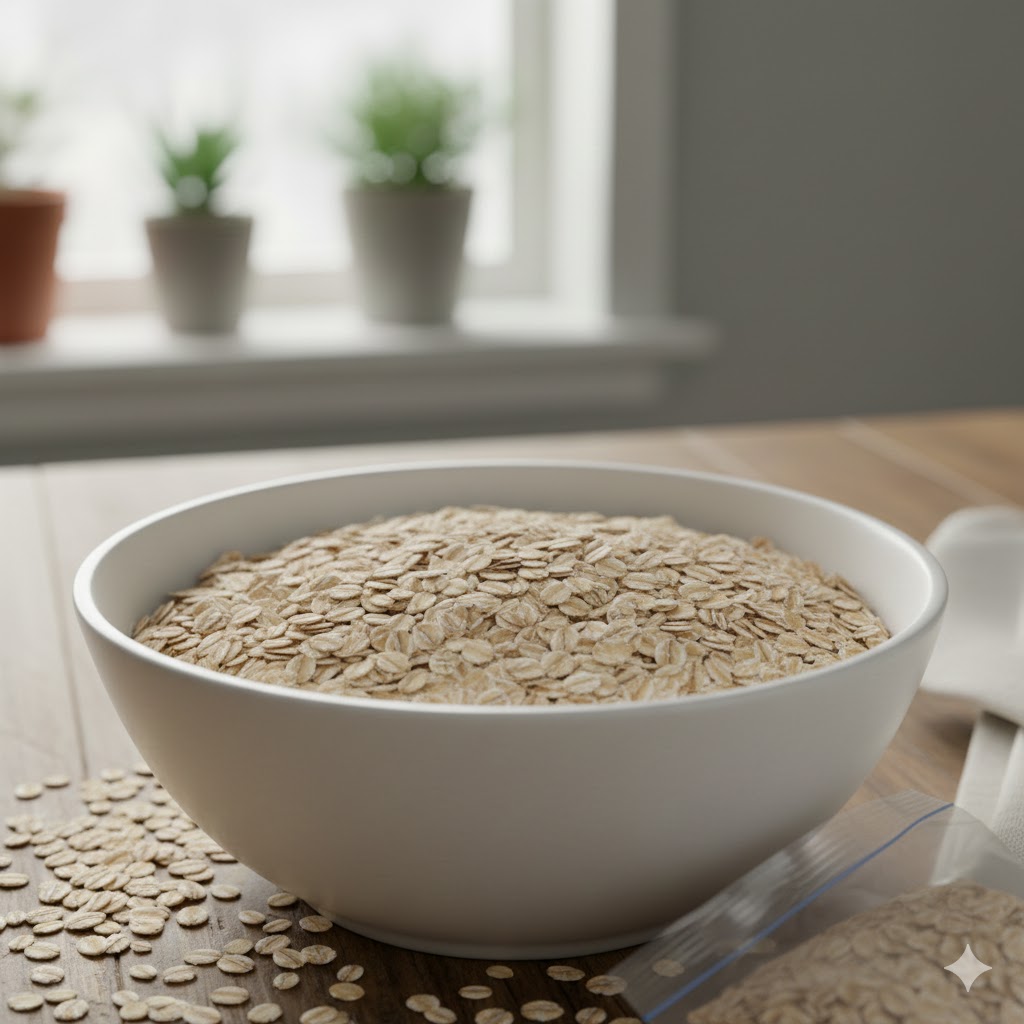
Healthy eating does not need to be expensive. Many of the most nutritious foods are also some of the most affordable.
Staples such as oats (excellent for your microbiome), eggs, canned beans, lentils, frozen vegetables, fresh vegetables like carrots, cabbage and onions, and fruits such as bananas and apples provide excellent nutrition at low cost. These foods form the backbone of balanced meals and make healthy eating achievable even on a tight budget.
2.2 Nutrition
Consuming the right nutrients is essential for good health. It will strengthen your immune system; reduce the risk of disease; stabilise your energy levels (by feeding your mitochondria, the “little batteries” in your cells that produce energy); build healthier muscles and bones; and it contributes to a more efficient metabolism.
Good nutrition is also important for brain function; reduces inflammation; regulates blood pressure and cholesterol; and enhances whole‑body resilience.

“Resilience” in this context means the body’s ability to adapt, recover from illness and injury, and function effectively when under stress and/or as you age. A resilient metabolism can adjust to changes in food intake, regulate blood sugar, and maintain energy balance. Further reading: Food to build resilience.
Even mild deficiencies in nutrients such as iron, vitamin B12, magnesium or vitamin D can cause fatigue, mood changes, reduced immunity and impaired cognitive function long before more serious symptoms appear. Adequate protein intake is also essential for maintaining muscle mass, supporting metabolic health and preserving strength as we age.
Personal story – iron deficiency

GS, a 52-year-old man, had been experiencing tiredness for some time. He was also short of breath after relatively mild physical activity. These symptoms can be associated with a variety of health issues, including anaemia which was confirmed when his doctor recommended getting a blood test that showed that he had an iron deficiency.
By adding iron-rich foods such as lean red meat, spinach and legumes to his diet, the problem disappeared but it did take 4 months. Iron stores take time to rebuild, which is why symptoms often improve slowly even after dietary changes.
Sometimes we have to be patient when our system is out of kilter – far better to be proactive by having the right diet in first place.
Personal story – B12 deficiency:
BH, a 60-year-old woman, had numbness and tingling in her hands and feet. A blood test confirmed vitamin B12 deficiency. She adjusted her diet to include more B12 sources like eggs, dairy and fortified cereals. After six months, the numbness and tingling disappeared.
It’s interesting that those particular symptoms can also be caused by nerve damage from too much vitamin B6. This can occur through supplements that may not appear to contain B6, so it’s always wise to check all supplement labels carefully. Guidelines as to what constitutes a safe amount of B6 vary, and are in the process of change, so it’s important to check current guidelines before you consume B6 without medical advice.
Personal story – vitamin D deficiency
AF, a 45-year-old woman, experienced chronic fatigue and frequent colds. Blood tests revealed a severe vitamin D deficiency. After incorporating vitamin D-rich foods like fatty fish, fortified dairy, and increased safe sun exposure, her energy levels improved markedly within three months. Vitamin D deficiency is extremely common, especially in people who work indoors or live in areas with limited sun exposure.
Key nutrients, recommended intake, food sources and benefits
The following table lists key nutrients, their recommended daily intake, common food sources and their benefits:
| Nutrient | Adult daily intake | Common food sources | Age-specific notes | Benefits |
|---|---|---|---|---|
| Calcium | 1,000-1,300 mg | Dairy, tofu, leafy greens, fortified plant milks | Upper end of the range for women 50+ and men 70+ | Builds strong bones, supports nerve and muscle function |
| Choline | 425–550 mg | Eggs, fish, legumes, meat | Needs increase during pregnancy; many adults don’t have enough | Supports brain function, liver health, and metabolism |
| CoQ10 | 100-200 mg | Organ meats, fatty fish, spinach | Body production declines with age; | Powers cellular energy, protects mitochondria, supports heart health |
| Fibre | 25-30 g | Vegetables, legumes, whole grains, fruits | Needs consistent intake across all ages | Supports gut health, reduces inflammation, improves digestion |
| Iron | 8-18 mg | Red meat, lentils, fortified cereals | Menstruating women need more; excess can be harmful | Carries oxygen in blood, supports energy and immune function |
| Magnesium | 310-420 mg | Nuts, legumes, whole grains, spinach | Absorption may decline with age; | Supports energy production, muscle function, and mood regulation |
| Olive Oil | ~2-4 tablespoons | Extra virgin olive oil | Use as primary cooking fat | Anti-inflammatory, supports cardiovascular and cognitive health |
| Omega-3s (EPA/DHA) | 250-500 mg combined | Fatty fish (salmon, sardines), flaxseeds, walnuts | Older adults may benefit from higher doses for heart and brain support | Supports brain function, reduces inflammation, protects heart health |
| Potassium | 2,600–3,400 mg | Fruits, vegetables, legumes, potatoes | Important for blood pressure control; needs increase with age | Regulates blood pressure, supports nerve and muscle function |
| Protein | 1-1.2 g per kg body wgt | Eggs, fish, legumes, lean meats, dairy | Older adults may need more to preserve muscle | Preserves muscle mass, supports brain function and metabolic health |
| Vitamin B12 | 2.4 µg | Eggs, dairy, meat, fortified cereals | Absorption declines with age; supplements may be needed after 50 | Supports nerve health, red blood cell formation, and cognition |
| Vitamin D | 600-800 IU (15–20 µg) | Sunlight, fatty fish, fortified foods | Older adults may need 800–1,000 IU/day; check with GP | Supports bone health, immunity, and mood stability |
| Zinc | 8-11 mg | Meat, seafood, legumes, nuts | Absorption declines with age | Supports immunity, wound healing, and metabolism |
Nutrient interactions
Nutrients often work together. For example, vitamin D helps the body absorb calcium; vitamin C improves iron absorption; magnesium supports vitamin D activation; and vitamin K2 helps direct calcium into bones rather than arteries. Understanding these interactions helps ensure your diet supports your whole system, not just individual nutrients.
Supplements
A balanced diet should normally provide the nutrients that are needed by our bodies. But sometimes nutrient deficiencies do occur so, if a deficiency is indicated by a blood test, or when the absorption of nutrients declines with age, supplements can be helpful. Common examples include vitamin B12, vitamin D, magnesium and omega‑3s.
Supplements should be used carefully, as excessive doses of certain nutrients – such as vitamin B6 or iron – can be harmful.
Signs of a possible deficiency
If you experience persistent fatigue, low mood, tingling, muscle cramps, poor sleep or frequent infections, it may be worth asking your GP for blood tests. Common tests include:
- Iron studies
- Vitamin B12
- Vitamin D
- Magnesium
- Thyroid function
Identifying deficiencies early can prevent long‑term health problems.
2.3 Hydration
Maintaining adequate fluid levels is critically important for overall health. Water supports every major bodily function – including the functioning of our cells, temperature regulation, blood pressure, digestion and energy levels. Even mild dehydration can affect mood, concentration and physical performance. Severe dehydration can be life‑threatening.

Thirst is not always the best indicator of dehydration, especially in older people or during hot weather. A dry mouth, fatigue, a headache or feeling lightheaded can also be an indication that you should have a drink even though you don’t feel thirsty.
The tragic passing of Dr. Michael Mosley in 2024, reportedly linked to heat exposure and dehydration, serves as a sobering reminder of how quickly dehydration can become life-threatening – even for those who are otherwise healthy and well-informed.
During exercise, illness or hot weather, it is also important to replace electrolytes – minerals such as sodium, potassium and magnesium – that regulate fluid balance, nerve signalling and muscle function. Without adequate electrolytes, drinking water alone may not fully restore hydration, and symptoms such as muscle cramps, dizziness or fatigue can occur.
2.4 Weight, insulin, leaky gut and visceral fat
This Guide is about being proactive for sustained good health – not about losing weight. But …
… when proactive health practices are adopted and maintained, weight will usually regulate itself without the need for calorie-minimising diets.
A balanced diet (section 2.1 above) is very important for weight management. But it’s worth repeating that balance is more than eating the right foods. The amount you eat and the proportions of different types of food also matter.

Carbohydrate imbalance
Regularly eating more carbohydrates than your body can use in the short term – through daily activities and exercise – can cause unwanted weight gain and, over time, an increased risk of type 2 diabetes and other health problems.
For example, post‑meal glucose spikes that are exacerbated by too many carbohydrates, especially refined carbohydrates, force the pancreas to release more insulin. Over time, this pattern contributes to chronically elevated insulin levels and reduced insulin sensitivity. This is part of the reason why the balance between food intake and energy expenditure is so important.
Dieting
Repeated calorie‑restrictive diets can also cause the body to lower its metabolic rate to conserve energy. This “metabolic slowdown” is one reason why people often regain weight after dieting – the body becomes more efficient at storing fat and less efficient at burning it. Proactive habits avoid this trap.
Calorie restriction can also result in an increase in cortisol that can aggravate gut permeability and therefore weight management (see Leaky Gut below).
The role of insulin, putting on weight and diabetes
Insulin is the hormone that helps move sugar from your bloodstream into your cells. When you eat, your blood sugar rises and your pancreas releases insulin to bring it back down by moving glucose into your cells.
Eating too much – especially carbohydrates – results in more insulin being released and more sugar being stored in your cells. Insulin also sends a signal to the body to convert excess glucose into fat and to temporarily reduce fat‑burning, thereby preventing fat from being released. This is why ongoing high insulin levels can make weight loss more difficult.
It can become a vicious cycle – high insulin levels can cause your body to become less responsive to insulin (exacerbated by ageing, inactivity and excess weight). The pancreas then compensates for the lack of responsiveness by producing even more insulin, so more fat is stored.
Over time, this can lead to higher hunger levels, weight gain and, eventually, insulin resistance. The end result can be type 2 diabetes.
More information can be found about insulin, blood sugar management and glycaemic index in section 2.12 below
Leaky gut
Research indicates that poor diet (especially highly processed foods), stress, poor sleep and medications such as anti-inflammatories can cause the gut lining to become more permeable than it should be. This can result in tiny fragments of gut bacteria entering the bloodstream and triggering inflammation.
This inflammation interferes with the way the hypothalamus – the part of the brain that regulates hunger and metabolism – responds to hormones like leptin that normally tell the body that it’s had enough food. When this signalling is disrupted, the brain responds as though the body is low on energy, increasing appetite and reducing metabolic rate – a nightmare for weight regulation.
Gut inflammation can also interfere with the vagus nerve, the communication pathway between the gut and the brain, and reduce the release of GLP‑1, a hormone that helps regulate appetite and blood sugar. This is the same pathway targeted by medications such as semaglutide.
Supporting gut health with a balanced diet (2.1 above), good sleep and stress management can help the body regulate appetite, energy use and weight management.
Muscle mass and weight regulation
Muscle mass plays a major role in weight regulation. Muscle tissue burns more energy than fat, even at rest. As we age, natural muscle decline reduces metabolic rate, making weight gain more likely unless strength‑building activity is maintained.
Sleep, circadian rhythm and weight
Poor sleep disrupts hormones that regulate appetite – increasing ghrelin (hunger) and reducing leptin (satiety). Circadian rhythm disruption also affects insulin sensitivity, making weight regulation harder. This is why consistent sleep patterns are essential for metabolic stability.
Stress, cortisol and weight
Chronic stress increases cortisol, which can raise blood sugar, increase appetite and promote fat storage – particularly visceral fat. Managing stress is therefore a key part of weight regulation.
Visceral fat
Visceral fat wraps around vital organs such as the liver, pancreas and intestines. It is not always visible and can be present even in people with flat bellies and low body fat percentages, although it can also cause “beer belly”.
Unlike subcutaneous fat, visceral fat releases inflammatory substances and hormones that can disrupt insulin sensitivity, blood pressure and cholesterol. It is closely linked to fat accumulation in the liver, which can impair metabolic function. Visceral fat increases the risk of cardiovascular disease, type 2 diabetes and certain cancers. Further reading: Why visceral fat is dangerous
Who is at risk and how to identify if you have it

A sedentary lifestyle and/or genetic make-up can result in visceral fat accumulation. It can be checked at home by waist circumference and waist-to-hip ratio measurements. This is explained further in the article mentioned above: Why visceral fat is dangerous.
It needs to be managed by maintaining a balanced, nutrient-rich diet (see section 2.2 above Nutrition); engaging in regular exercise (section 3 Exercise); reducing stress (section 6.2 Stress management); and getting adequate sleep (section 6.1 – Sleep).
You may also want to ask your doctor about the benefits of semaglutide (a weight loss drug often sold as Ozempic) for the reduction of visceral fat, although a large percentage of those people who lose weight using such drugs subsequently put the weight back on.
Interestingly, a study conducted in 2025 of 17,604 people by University College London found that semaglutide was also effective for reducing the risk of heart disease (a 20% reduction compared to the other half of the test group who were on a placebo).
Personal story – slim doesn’t mean safe
TY was a lean, active accountant (53yo) who cycled on weekends and did not appear to be overweight. But, during a corporate wellness screening, his waist circumference flagged concern.
A follow-up scan revealed elevated visceral fat. He was stunned. He didn’t eat fast food, didn’t drink excessively and exercised regularly. But his diet was high in refined carbs – white bread, pasta, and energy bars – and low in fibre and healthy fats.
He began replacing refined grains with whole grains, added avocado and olive oil to his meals, and prioritized sleep and stress management. Six months later, his visceral fat had dropped, his blood pressure normalized, and he felt more mentally alert.

Weight set-point
The body has a “weight set‑point” – a range it tries to maintain. Poor sleep, stress, gut inflammation and chronically elevated insulin can push this set‑point higher. Proactive health habits help bring the set‑point back down over time by restoring appetite regulation, metabolic flexibility and hormonal balance.
Conclusion
The most effective approach to weight management is not dieting, but restoring the systems that regulate appetite, metabolism and energy use – including gut health, sleep, stress management, muscle strength and balanced nutrition. When these systems work well, weight tends to regulate itself naturally.
2.5 The importance of your microbiome
“Microbiome” refers to the trillions of bacteria, fungi and other microbes living in your digestive tract. These microbes form a complex ecosystem that plays a crucial role in your health, influencing everything from digestion and immunity to mood, metabolism and even cancer risk.
A healthy microbiome is diverse, meaning it contains many different species of beneficial microbes. This is important – diversity is one of the strongest predictors of long‑term health.
| Area of health | The role of the microbiome | Why it matters |
|---|---|---|
| Cardiovascular system | Helps regulate cholesterol and blood pressure | Reduction of cholesterol and blood pressure helps prevent heart disease and stroke |
| Digestive system | Helps to break down food, producing enzymes, and absorbing nutrients | Reduces bloating and improves the absorption of nutrients; helps with regularity |
| Hormone balance | Enables absorption of nutrients like zinc, magnesium and B vitamins needed for hormone balance | Influences stress response, metabolism and menstrual health |
| Immune system | It teaches immune cells what to attack, regulates inflammation and helps to keep out dangerous germs | Helps prevent infections, allergies, autoimmune conditions and even cancer (see below) |
| Mental health (see section 4.4) | About 95% of the body’s serotonin – a key emotional and mood stabiliser – is made in the gut and communicated to the brain | Affects mood, anxiety, cognition and sleep quality as explained in section 4.5 The link between your microbiome and your brain |
| Metabolic health | Influences insulin sensitivity, fat storage and energy balance | Affects weight, blood sugar, and risk of Type 2 diabetes |
| Skin health | Modulates inflammation and nutrient absorption | Impacts acne, eczema, and skin barrier function |
Your microbiome, your immune system and cancer

Recent research published in “Immunity” has confirmed the role of dietary fibre and the microbiome in the small intestines in strengthening the immune system – particularly the ability of killer T‑cells to fight cancer. Importantly, these T‑cells target only dangerous cancer cells, not healthy tissue.
This aligns with earlier studies (2018, US) showing that melanoma patients with healthy microbiomes responded better to immunotherapy. A diverse, fibre‑rich microbiome appears to enhance the effectiveness of modern cancer treatments.
How to nourish your gut microbiome
Eat a variety of plant-based foods
A diversity of fruits, vegetables, legumes and whole grains is important – different foods feed different beneficial microbes, and different microbes specialise in breaking down different fibres and producing different protective compounds. This enables the microbiome to better regulate inflammation, immunity and mood.
Low diversity has been linked to obesity, depression, autoimmune conditions and poor response to treatment.


Foods with probiotics and prebiotics
Fermented foods such as yogurt, kefir, sauerkraut, kimchi and miso are generally sources of probiotics that introduce beneficial new bacteria to the gut.
This creates a healthier environment for your own natural microbiome to regrow, which is especially important after illness, stress or antibiotics.
Fermented foods can reduce inflammation; help digestion; and compete with harmful bacteria.
On the other hand, prebiotics are the fermentable fibres that feed your existing gut bacteria. They aren’t actually digested – they pass through to the large intestine, where they provide fuel for the microbes that support immune function, gut barrier integrity and metabolic health. Good prebiotic sources include onions, garlic, leeks, asparagus, oats, legumes, and resistant starch from cooked‑and‑cooled potatoes or rice.
Together, probiotics and prebiotics work synergistically to support a healthy microbiome. If you’re not eating fermented foods regularly, a probiotic supplement is worth considering e.g. it has been shown by various trials to improve cognitive function. Further reading: The effect of probiotics on brain functioning.
Exercise regularly
Physical activity (see section 3) creates the conditions that enable your microbiome to work efficiently. All exercise helps, including walking, and it doesn’t have to be vigorous. Further reading: The effect of exercise on your microbiome.
Get consistent sleep and manage stress
Stress and disrupted sleep both have an adverse effect on microbial composition and gut lining. This causes a decrease in beneficial bacteria. It also causes inflammation which can be particularly damaging.

What to avoid

Highly processed foods, too much sugar, too much alcohol and smoking are all bad for your microbiome.
So are antibiotics – they can wipe out good bacteria in addition to the bad bacteria that the antibiotic is designed to treat. If you do need to take antibiotics, remember to take probiotics (such as fermented food) to replenish the good bacteria, especially if you’ve had a series of antibiotics over a short period of time, which can have drastic consequences.
For example, in one case, a girl in her early teens was prescribed antibiotics 12 times over 18 months and developed chronic depression, which she had for 17 years. Although there is no scientific evidence that the antibiotics actually caused her depression, that is thought to be most likely candidate. In 2017, a faecal microbiota transplant restored the balance in her gut. Her depression disappeared. At the time of writing, it has not returned.
Personal story – the importance of diversity
DP, aged 51, considered himself health conscious. He avoided fast food, cooked most of his meals and ate healthy food – mainly grilled chicken, brown rice and steamed broccoli. Despite this, he often felt bloated, sluggish and had too many minor problems such as colds. A friend mentioned the importance of the microbiome to him, so he started reading about it and realised his diet lacked diversity, especially plant fibres and fermented foods. He started small – adding purple cabbage, leeks and lentils to his meals. He then tried fermented food (kefir and kimchi) and properly fermented sauerkraut. Within weeks, his digestion improved. Within months, his energy returned, his mood improved and even had clearer skin. He now ensures that he always has colourful and diverse food, and he includes both probiotics and prebiotics in his diet.
2.6 The importance of your mitochondria
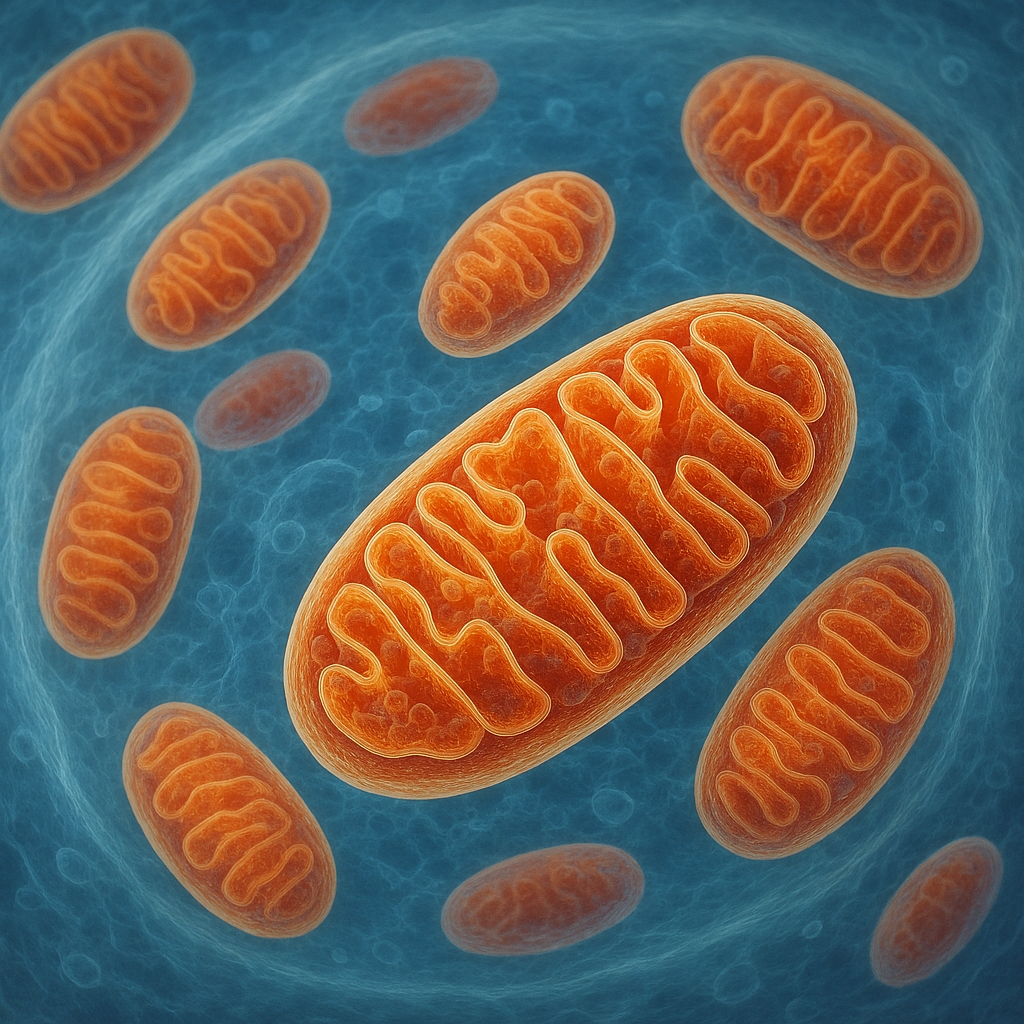
The mitochondria in your cells are responsible for converting food into usable energy that is essential for your muscles, brain and organs to function effectively. They are important for stamina, endurance, recovery and overall vitality, and they have a crucial role to play in ageing well – which depends significantly on maintaining efficient energy production. Unfortunately, mitochondrial efficiency gradually declines as we age. Fortunately, this decline is highly responsive to lifestyle: regular exercise, good sleep, stress management and a nutrient‑rich diet can increase the number and the strength of your mitochondria.
We know that the more mitochondria you have, and the stronger they are, the more energy your body can produce. This tends to put the focus on energy, but strong, efficient mitochondria play a critical role in good physical and mental health in general. For example, when mitochondria are under stress – when something interferes with their ability to produce ATP efficiently (see “What mitochondria don’t need” below) – they produce inflammation. Strengthening your mitochondria reduces inflammation throughout the body and promotes immunity and longevity.
Healthy mitochondria also support clearer thinking, better memory, improved mood and reduced risk of cognitive decline.
What mitochondria need
- regular physical activity including strength-building exercises to make your mitochondria stronger and reasonably vigorous aerobic exercises to increase the number of mitochondria (see 3.4 Exercise and your mitochondria);
- movement throughout the day, not just structured exercise – long periods of sitting reduce mitochondrial efficiency;
- antioxidant rich foods such as berries, leafy greens and nuts;
- nutrients essential for mitochondrial energy production, especially magnesium and B vitamins; and
- good quality, consistent sleep that allows mitochondria to repair and regenerate.
What mitochondria don’t need
- processed foods and excess sugar which increase inflammation and oxidative stress;
- physical inactivity – e.g. long periods of sitting – and poor sleep, both of which reduce mitochondrial number and efficiency;
- chronic stress and inflammation which increase cortisol and damage mitochondrial function; and
- environmental toxins, including cigarette smoke and pollutants, which impair mitochondrial energy production.
Nutrients and food sources for mitochondria
The chemical energy that is extracted from food needs to be converted into a form that can be used by us. This is achieved by our mitochondria which convert chemical energy into ATP (adenosine triphosphate). B vitamins and magnesium are needed for this process. Whole foods that contain the necessary nutrients include:
- spinach
- salmon
- beef
- eggs
- whole grains
- legumes
- nuts
- broccoli
2.7 How diet helps manage stress
What we eat can have a profound impact on how effectively we manage stress.
Diets high in processed foods, sugar and caffeine can exacerbate anxiety, mood swings and fatigue, while nutrient-rich meals can help stabilize energy levels and support emotional resilience.
Foods rich in magnesium, B vitamins and omega-3 fatty acids – such as leafy greens, whole grains, nuts and fatty fish – play a key role in regulating the nervous system, reducing stress hormones and improving sleep quality.

Foods rich in antioxidants – such as berries; leafy greens; nuts and seeds; colourful vegetables; etc – also help manage stress by neutralising excessive free radicals, which can cause cellular damage as explained in section 2.10 below Free radicals and antioxidants), and by reducing inflammation, which is closely linked to stress.
Other foods that also support stress management by lowering inflammation include oily fish such as salmon and sardines (rich in omega‑3 fatty acids), flaxseeds, walnuts and fermented foods.
A balanced diet will help maintain steady blood sugar levels which helps prevent irritability, energy crashes and difficulty concentrating. When blood sugar fluctuates sharply, the body releases adrenaline and cortisol – the same hormones that are involved in stress – which can make daily challenges feel harder to manage.
Similarly, dehydration can increase cortisol, reduce cognitive performance and worsen mood. Staying hydrated and maintaining steady blood sugar levels through balanced meals helps prevent irritability and fatigue, making it easier to cope with daily challenges.
Further reading: Food to reduce anxiety.
Personal story – diet and stress
PJ, a dedicated project manager in her early 40s, was juggling tight deadlines in a demanding job. She also had the added pressure of caring for her aging parents. Her meals became an afterthought – coffee for breakfast, fast food snacks between meetings and takeaway for dinner while replying to emails. She was undernourished. She started experiencing chronic stress symptoms, including poor sleep, which she assumed was simply burnout.
Fortunately, when she visited her GP, he asked about her diet and, as a result, she started working with a nutritionist who helped her rebuild her meals around whole foods – slow-digesting carbs, leafy greens, nuts, seeds and magnesium-rich vegetables. She added omega-3s through chia seeds and salmon. She gave up a couple of cups of coffee a day and switched to herbal tea. Within weeks, her sleep improved. Within months, her stress level was manageable.
2.8 How diet helps mindfulness and positive thinking
A well‑balanced diet plays an important role in supporting brain function, emotional stability and mindfulness. The nutrients we consume directly influence how the brain produces energy, communicates through neurotransmitters and regulates mood.
When the brain is well‑nourished, it becomes easier to think clearly, stay present, manage emotions and maintain a positive outlook. When it is under‑nourished – especially through diets high in processed foods, sugar or caffeine – mood swings, anxiety, irritability and poor concentration become more likely.
| Nutrient | Common Sources | Cognitive & Emotional Benefits |
|---|---|---|
| Amino Acids (e.g., tryptophan, tyrosine) | Turkey, tofu, dairy, bananas | Building blocks for serotonin and dopamine, important mood chemicals |
| Antioxidants (Vitamin C, E, polyphenols) | Berries, citrus fruits, green tea | Protects brain cells, improves focus, slows cognitive decline |
| B Vitamins (especially B6, B9, B12) | Leafy greens, legumes, eggs, fortified cereals | Enhances energy metabolism, reduces brain fog, supports emotional balance |
| Magnesium | Pumpkin seeds, spinach, dark chocolate | Calms the nervous system, aids sleep, reduces anxiety |
| Omega-3 Fatty Acids | Fatty fish (salmon, sardines), flaxseeds, walnuts | Supports memory, reduces inflammation, stabilizes mood |
| Protein | Eggs, fish, legumes, lean meats, dairy | Supports general brain functioning |
These nutrients help the brain regulate mood, maintain attention, support memory and respond appropriately to stress.
Food for thought
Food for thought
Mindful eating isn’t just about what you eat – it’s also about how you eat. Slowing down, noticing flavours and textures, and eating without distraction improves digestion and helps regulate appetite. It also reduces stress by activating the parasympathetic (“rest and digest”) nervous system.
Mood-boosting meals
Here are a few examples of meals that include brain-supportive nutrients: Further reading: Brain boosting food.
Breakfast: Oatmeal topped with blueberries, walnuts, and a drizzle of honey – rich in fibre, antioxidants, and omega-3s.
Lunch: Grilled salmon salad with leafy greens, avocado, and olive oil vinaigrette – packed with healthy fats and vitamins.
Dinner: Stir-fried tofu with broccoli, bell peppers, and brown rice – a plant-based option full of protein and magnesium.

Snack: Greek yogurt with chia seeds and sliced banana – supports gut health and provides sustained energy.
These meals stabilise blood sugar, reduce inflammation and support neurotransmitter production – all essential for emotional stability and positive thinking.
2.9 How diet helps manage cholesterol, hypertension and heart disease
Eating plenty of vegetables, fruits, wholegrains, legumes, nuts, seeds and healthy oils supports lower cholesterol by increasing fibre intake – especially soluble fibre, which binds cholesterol in the gut and helps remove it from the body.
Choosing lean proteins and limiting processed foods, added sugars, excess salt and trans or saturated fats helps keep blood pressure in a healthier range. These habits reduce strain on the heart, improve blood‑vessel function and lower the risk of heart attack and stroke (see DASH diet below).

It’s important to have a diet with minimum saturated and trans fats, which increase LDL cholesterol (the type that contributes to plaque buildup); promote inflammation (a major driver of cardiovascular disease) and impair blood‑vessel flexibility.
Foods and drinks to avoid or limit
- Fried foods and fast food (often high in unhealthy fats)
- Processed meats like salami, sausages, and deli meats
- Baked goods such as cakes, pastries and biscuits containing trans fats
- High-fat dairy products like butter, cream and full-fat cheese
- Fatty cuts of red meat
- Milk chocolate and other chocolate with added sugars
- Sugary drinks like sodas and sweetened juices
- Sweets and candies (limit to 5 or fewer servings per week)
- Processed snacks such as chips and sweetened cereals
- Excess salt (no more than 2300 mg per day, ideally closer to 1,500 mg). High salt intake raises blood pressure by increasing fluid retention and placing extra strain on blood vessels. Reducing salt is one of the fastest ways to improve blood pressure.)
Foods to include
These foods actively support heart health:
- Fruits and vegetables rich in fibre (4-5 servings of each per day)
- Whole grains – oats, barley and brown rice (6-8 daily servings)
- Low-fat dairy (2-4 daily servings) or unsweetened soy milk
- Lean meats and skinless poultry (limited servings)
- Nuts, seeds and legumes several times per week
- Healthy fats like olive oil and avocado
- Fatty fish (salmon, sardines, mackerel) for omega 3s that reduce inflammation and support heart rhythm stability
- Plant sterols (found in fortified spreads, nuts and seeds) which help lower LDL cholesterol
- Potassium rich foods (bananas, potatoes, beans, leafy greens) which help counteract sodium and lower blood pressure
- Soluble fibre – found in oats, barley, beans, apples and citrus fruits – is particularly effective at lowering LDL cholesterol..
DASH Diet
The DASH diet (Dietary Approaches to Stop Hypertension) was developed to prevent and control high blood pressure. It emphasizes:
- fruits
- vegetables
- whole grains
- low‑fat dairy
- lean proteins like fish and poultry
It limits:
- saturated fats
- red meat
- sweets
- sugary drinks
The DASH diet helps lower blood pressure and LDL cholesterol, supporting overall heart health. It shares similarities with the Mediterranean diet but does not focus on olive oil or wine.
2.10 Free radicals and antioxidants
Free radicals are tiny unstable molecules created by a range of bodily processes – breathing, thinking, moving, digesting food, and dealing with stress. They are a necessary part of life and play an important role in energy production, your immune system and the regulation of processes such as inflammation and blood flow, so they aren’t “bad” per se.
However, free radicals become dangerous when they increase beyond our needs. This imbalance is known as oxidative stress, and it is particularly harmful for the brain, which is highly sensitive to oxidative damage. Oxidative stress also plays a major role in cardiovascular disease, diabetes, chronic inflammation and reduced immune function.
This is why antioxidants are important – their role is to keep the free radicals in balance (more about this below).
Why free radicals can be harmful
The reason that free radicals are dangerous is because they have an extra electron which makes them unstable. For stability, they steal an electron from the nearest molecule. This damages the molecule they steal from, turns the molecule they steal from into a new free radical and triggers a chain reaction.
Over time, excessive free radicals can:
- damage cell membranes
- impair mitochondria
- disrupt neurotransmitters
- accelerate ageing
- cause mutations in DNA
- contribute to neurodegenerative diseases such as Alzheimer’s and Parkinson’s
What causes excessive free radicals
Although free radicals are produced naturally, certain lifestyle factors increase their production:
- chronic stress
- poor diet (especially processed foods and excess sugar)
- smoking
- alcohol
- pollution
- poor sleep
- long‑term inflammation
- excessive sun exposure
- sedentary lifestyle
This is why proactive health habits – diet, sleep, movement and stress management – are so important.
How antioxidants protect you
Antioxidants stabilise free radicals by donating an electron which pairs with the free radical’s unpaired electron and neutralises it. This stops the chain reaction and the damage it causes.
Antioxidants also:
- reduce inflammation (which accelerates ageing and oxidative stress)
- support mitochondria (which are highly vulnerable to free‑radical damage)
- protect memory, focus and long‑term cognitive function
- help maintain healthy blood vessels
- support immune resilience
Your body produces some antioxidants naturally, but many come from food – especially colourful plant foods.
Foods rich in antioxidants
Although free radicals are produced naturally, certain lifestyle factors increase their production:
- berries
- leafy greens
- nuts and seeds
- dark chocolate (high‑cocoa, low‑sugar)
- green tea
- colourful vegetables (capsicum, carrots, tomatoes, beetroot)
- spices such as turmeric and cinnamon
- herbs such as rosemary, oregano and thyme
Eating a wide variety of these foods helps maintain a healthy balance between antioxidants, protecting your cells and supporting long‑term health.
2.11 Blood sugar regulation and glycaemic load
Blood sugar regulation is one of the most important – and most overlooked – aspects of long‑term health. When we eat carbohydrates, they are broken down into glucose, which enters the bloodstream. Some foods such as white bread, rice, pasta, pastries, sweets and sugary drinks (known as high glycaemic foods) cause rapid spikes in blood sugar. The body responds by releasing insulin to bring blood sugar back down (the role of insulin – link – is discussed in more detail in 2.3 Weight Management above).
Over time, repeated spikes can:
- increase inflammatio
- accelerate ageing through glycation
- worsen insulin resistance
- increase appetite and cravings
- reduce metabolic flexibility
- impair blood‑vessel function
- increase cardiovascular risk
- affect mood, energy and cognitive clarity
Low‑glycaemic foods – such as vegetables, legumes, whole grains, nuts, seeds and most fruits – produce a slower, steadier rise in blood sugar, supporting stable energy and reducing stress on the pancreas.
How to reduce glycaemic load
Over time, repeated spikes can:
- Add protein or healthy fats to carbohydrate-rich meals
- Increase fibre intake (especially soluble fibre)
- Avoid sugary drinks
- Limit desserts and sweet snacks
- Eat balanced meals rather than carbohydrate-heavy meals
- Avoid late‑night eating, when insulin sensitivity is lowest.
Managing glycaemic load supports weight regulation, heart health, brain function, stress resilience and mitochondrial efficiency.
2.12 Ultra Processed Foods (UPFs)
Ultra processed foods are industrially manufactured products containing additives, emulsifiers, artificial flavours, stabilisers and refined ingredients. They are designed to be hyper palatable and easy to overconsume.
Common examples of UPFs include:
- packaged snacks
- sweetened cereals
- fast food
- soft drinks
- processed meats
- instant noodles
- commercial baked goods
- many frozen meals
Effect on your health:
- Damage to gut lining and bacteria causing microbiome disruption
- Increased inflammation throughout the body
- Insulin resistance: high sugar and refined starches worsen blood sugar control
- Appetite dysregulation: UPFs interfere with satiety hormones, increasing cravings
- Mitochondrial stress: poor nutrient density reduces energy production
- Cardiovascular risk: UPFs increase LDL cholesterol and blood pressure
- UPFs affect mood, cognition and emotional regulation
Reducing UPFs – even by 20-30% – has measurable benefits for weight, energy, mood, digestion and long-term disease risk.